Subhasini Mistry: From Tragedy to Triumph, Building a Hospital for the Poor
In 1971, a devastating loss struck Subhasini Mistry's family in Hanspukur, near Kolkata. Her husband fell ill with a minor, treatable disease, but the family's extreme poverty prevented them from accessing proper medical care. He died, leaving Mistry a young widow with four children and almost nothing else. This personal tragedy exposed a harsh reality in rural India: even where hospitals exist, poverty can keep people from receiving life-saving treatment.
A Promise Forged in Grief
Mistry's husband's death became the turning point of her life. Instead of succumbing to despair, she made a solemn vow: no poor person in her village should die the way her husband did. This promise, repeated over years, became the foundation for an extraordinary journey. She had no money, status, or medical training—only the painful experience of exclusion and a stubborn conviction that basic healthcare should not depend on having cash in hand.
Years of Struggle and Saving
For years, Mistry worked tirelessly to support her family, taking on jobs as a housemaid, manual laborer, and vegetable seller. She saved tiny amounts from her meager earnings, nurturing her dream of building a healthcare facility for the poor. According to the official story of Humanity Trust, she first voiced this dream to her younger son, Ajoy, in 1989. With his help, the family purchased land in 1992, transferred it to the trust in 1993, and raised funds to start a small charitable clinic in a humble hut, where doctors began treating patients free of charge.

The Birth and Growth of Humanity Hospital
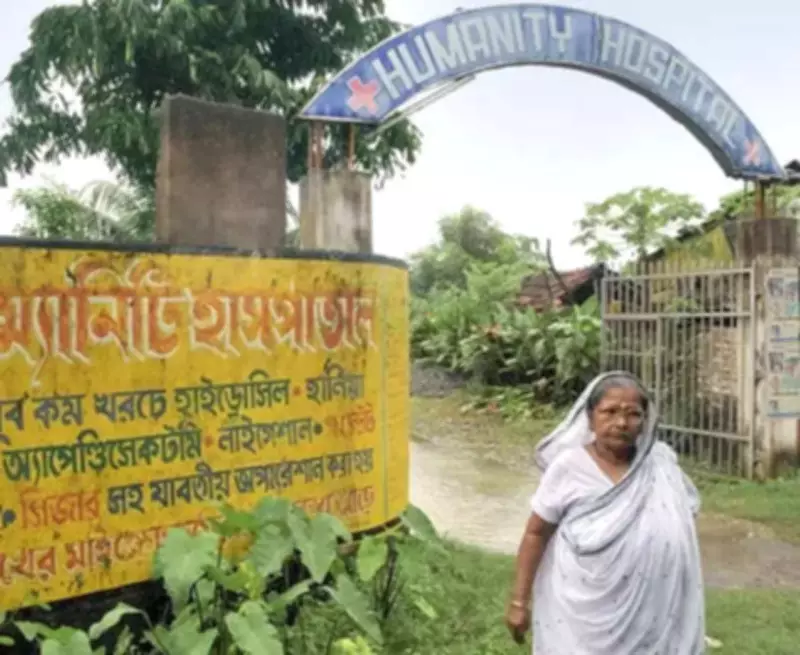
That modest beginning in a hut eventually grew into Humanity Hospital. The first permanent hospital building was inaugurated in 1996, marking a significant milestone in Mistry's decades-long effort. Her younger son, Dr. Ajoy Mistry, played a central role, helping run the hospital and expand its mission. The institution's identity was always practical: providing free or low-cost care to people who might otherwise delay treatment until it was too late.
Key developments in the hospital's evolution include:
- Initial clinic establishment in a hut with free medical services.
- Construction of the first permanent building in 1996.
- Expansion into multiple facilities serving Hanspukur and beyond.
- Transformation from a family dream into a functioning charitable institution.
Recognition and Legacy
By the time national recognition arrived, Mistry's work had been in motion for decades. In 2018, the Government of India honored her with the Padma Shri award for social work, as listed by the Press Information Bureau. She had also been among the Women Transforming India Award winners in 2017, as noted by the United Nations in India. These awards did not create her legacy; they simply confirmed what her community already knew.
Why This Story Endures
Mistry's story carries a simple, uncomfortable question: what happens when the poor are forced to wait for care until it is no longer effective? Her hospital became a powerful answer. The UN India profile highlights her as proof that age, wealth, and education are not the only ingredients of achievement; hard work and hope matter profoundly. In a country where one illness can still push a family toward ruin, Subhasini Mistry's Humanity Hospital stands as proof that compassion can be engineered, brick by brick, into something lasting and transformative.