The Evolution of Digital Viewing: From Binge-Watching Fatigue to Weekly Anticipation
In the ever-evolving landscape of digital entertainment, a significant transformation is underway in how audiences consume content. What began as the revolutionary freedom of binge-watching—where entire seasons dropped overnight and viewers could watch what they wanted, when they wanted, for as long as they wanted—has gradually revealed its limitations. The initial excitement of unlimited access has given way to a growing sense of digital fatigue, where entire seasons blur together, storylines are forgotten as quickly as they are consumed, and finishing a show begins to feel more like a completion task than genuine enjoyment.
The Return of Anticipation and Conversation
As streaming platforms quietly reintroduce staggered releases and weekly episode drops, they are bringing back something viewers had almost forgotten: the art of anticipation. This shift represents more than just a scheduling change—it's reintroducing conversation, curiosity, and a more intentional relationship with the screen. For years, streaming was built on maximizing convenience and removing friction, with autoplay seamlessly rolling into the next episode and cliffhangers resolved within seconds. Binge-watching wasn't just a preference; it was a system designed to keep viewers watching longer than they planned.
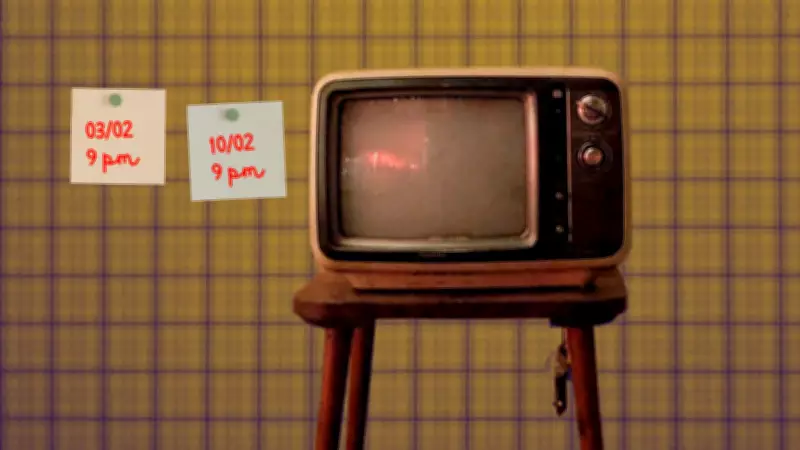
Weekly releases fundamentally interrupt this automatic rhythm. When only one episode is available at a time, watching becomes a conscious choice rather than a passive activity. Viewers decide when to sit down, pay closer attention to narrative developments, and spend meaningful time with the story before moving forward. This deliberate pace allows episodes to linger longer in memory, in conversation, and in overall significance.

The Communal Experience of Waiting
The return of waiting has also revived the cultural phenomenon of cliffhangers. Instead of clicking "next episode" for instant answers, viewers now speculate, imagine outcomes, and trade theories online. Conversations stretch across weeks instead of peaking over a single weekend, creating a shared cultural rhythm that binge releases rarely sustain. Take Stranger Things as a prime example—despite its binge-friendly reputation, the show extended its cultural presence by splitting seasons into parts. The waiting period allowed theories to flourish, characters to be re-examined, and emotional stakes to deepen, transforming viewing from a solitary activity into a communal experience.
Some narratives simply work better when they unfold gradually. When Bridgerton moved to staggered releases, each episode had time to breathe, allowing viewers to linger over character choices, costume details, and unresolved tensions. The same proved true for The Summer I Turned Pretty, a series built on nostalgia, emotional hesitation, and quiet conflict. The gaps between episodes became spaces for reflection, debate, and personal projection, enriching the viewing experience beyond mere consumption.
Business Sense and Cultural Correction
From a platform perspective, staggered releases make solid business sense by extending subscriptions and keeping audiences invested over longer periods. However, this change feels less like a calculated strategy and more like a quiet cultural correction. In slowing down the pace of viewing, weekly releases are offering something that binge-watching often eroded: space to think, to talk, and to enjoy television without urgency.
This transformation unfolds against a larger backdrop of growing concerns around digital fatigue, burnout, and constant overstimulation. Many viewers have become more conscious of how much they consume and how quickly, with the pressure to keep up with every new show feeling increasingly exhausting. A slower release model, whether intentional or not, aligns with a growing desire to engage less compulsively and more meaningfully with content.

The Hybrid Future of Viewing
This doesn't mean the binge model was entirely flawed—it offered flexibility, autonomy, and control that many viewers still value. For people with limited free time, watching multiple episodes at once can feel efficient and satisfying. The point isn't that binge-watching was wrong, but that it may no longer be the only, or even the preferred, way to engage with long-form storytelling.
What's emerging instead is a hybrid culture of viewing. Some narratives still benefit from immersive, uninterrupted binge-watching, while others ask for patience and spaced-out consumption. If binge-watching represented the peak of instant access, weekly releases may represent a growing desire to slow down—not to disengage from stories, but to experience them more fully.
From a viewer's perspective, this shift can feel surprisingly grounding. In a digital landscape that thrives on immediacy, waiting becomes a small act of resistance. It reminds audiences that not everything needs to be consumed instantly to be enjoyed, and that enjoyment can actually deepen when delayed. There's also an emotional element to this change that's harder to quantify: weekly episodes create a sense of continuity, something to return to at predictable times. In a world that often feels unstable and overwhelming, that consistency can be comforting—offering a pause in the week, a familiar ritual, and a shared moment unfolding alongside thousands of others.
Perhaps what this moment reveals most clearly is that viewing habits are not fixed. They respond to exhaustion, to overstimulation, and to changing cultural needs. While it may be too early to declare the end of binge-watching altogether, it's clear that the way we watch, and why we watch, is evolving toward a more balanced, thoughtful engagement with the stories that shape our digital lives.