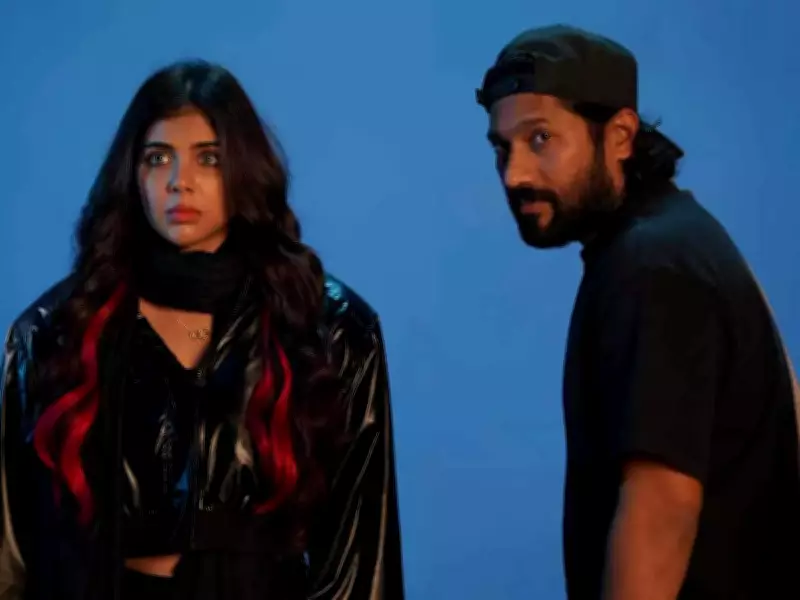
Director Dominic Arun Confirms Lokah Sequel Development
Eight months after the successful release of his film Lokah, director Dominic Arun continues to receive widespread appreciation from audiences and critics alike. For eager fans, there's exciting news: the filmmaker is actively developing the second installment of the Lokah series, expanding the universe he created.
Drawing Inspiration from Folklore and Mythology
In an exclusive conversation, Arun shared that his childhood fascination with Kerala's rich folklore, particularly the mythical figure of Yakshini, served as the primary inspiration for Lokah. He reimagined this concept in a contemporary, fictional setting, noting that the idea of Yakshi exists beyond coastal regions, appearing in northern areas and West Bengal as well.
The film's title evolved during production. Initially called Wild Tales, lyricist Vinayak Shashi Kumar suggested Lokah during a visit to the sets. This Sanskrit word meaning 'world' perfectly encapsulated the narrative's scope. Producer Dulquer Salmaan immediately embraced the name, which ultimately became the film's title.

Building the Lokah Universe
Arun has already presented the broad concept for Lokah: Chapter 2 to producer Dulquer Salmaan, who is particularly enthusiastic about introducing new characters and developing multiple chapters. The director emphasized that the first film established a foundation for a much larger universe with numerous storytelling possibilities.
"We're looking at expanding the Lokah universe with several stories and possibilities," Arun revealed. "With Chapter One, we've laid the groundwork for something significantly larger."
The Soul Over Scale Philosophy
Arun strongly believes that emotional authenticity and cultural rootedness matter more than production scale. He recalled advice from filmmaker Lijo Jose Pellissery: 'the more rooted you are, the more international your film can become.' This philosophy explains why regionally specific stories like Angamaly Diaries achieve widespread recognition.
"It's never about scale, but about how deeply your story resonates with people," Arun emphasized. "Keep it rooted and honest. This is also why South cinema has found widespread popularity today. Audiences are seeking real, relatable content."
Working Within Malayalam Cinema's Realities
The director acknowledged the challenges of working in a relatively small industry where a ₹30 crore budget is considered substantial. During Lokah's production, the team worked with emerging talent and financial constraints, relying heavily on passion and belief in their material.
Arun highlighted actor Tovino Thomas's commitment as an example of the industry's collaborative spirit. "Even when Tovino Thomas came on board, he didn't charge a fee and said we could sort it out later once the film reached audiences," Arun shared. "That's the beauty of our industry — commitment outweighs conventional commercial safety nets."
Regional Cinema's National Appeal Without 'Pan-India' Intent
Arun observed that Malayalam cinema has consistently delivered quality content, experiencing a resurgence especially post-pandemic. Wider theatrical releases, improved distribution networks, subtitles, and OTT platforms have helped regional cinema transcend linguistic boundaries.
"Language is no longer a barrier," he noted. "Yet, we don't make films with a pan-India mindset. We prefer telling stories in our own language, rooted in regions we understand. I've seen some pan-India films where the scale has increased, but the soul is missing."
He described the current era as part of a larger resurgence reflecting the emotional depth of 1980s and 1990s cinema, now with renewed energy and global reach.
Personal Connections and Missed Collaborations
Bengaluru holds special significance in Arun's journey, having worked as an engineer and lived in Electronic City. He considers the city his second home, with experiences there influencing Lokah.

"I had friends who would spend hours at our apartment doing absolutely nothing — and that found its way into Lokah," he explained. "The city, even without being explicitly named, adds an interesting layer to the film."
Arun also revealed he had discussions with actor-filmmaker Raj B Shetty for a role in Lokah, but scheduling conflicts prevented the collaboration. He expressed admiration for Shetty's work in Garuda Gamana Vrushabha Vahana and cited Lucia as another favorite film.