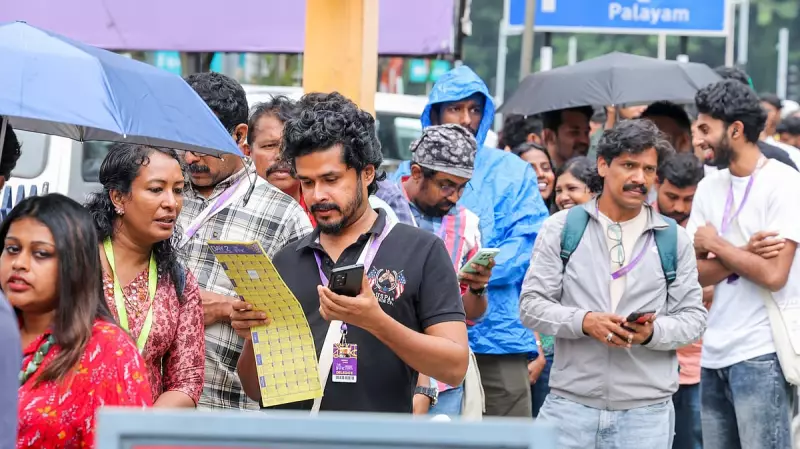
The upcoming International Film Festival of Kerala (IFFK) 2025 has encountered a significant regulatory hurdle, with the central government declining to grant censorship exemption for six selected films. The festival organizers have confirmed that these titles will now be dropped from the official lineup. In contrast, thirteen other films have received the necessary clearance and will be screened as planned.
Diplomatic Concerns Behind the Denial
The primary reason for withholding the exemption, according to sources familiar with the matter, stems from a lack of clearance from the Ministry of External Affairs (MEA). It is understood that potential diplomatic complications linked to the content or origin of the six films prompted the ministry's intervention. This move highlights the often complex intersection of cultural expression and international relations in film festival programming.
The festival, a flagship event in Kerala's cultural calendar, routinely seeks exemption from the Central Board of Film Certification (CBFC) for its curated international and Indian independent films. This allows them to be shown in their original form without cuts or a censor certificate. The denial for these six films underscores the central government's decisive role in the final screening permissions, even for state-hosted festivals.

Impact on Festival Lineup and Cultural Discourse
The exclusion of these six films will inevitably alter the intended programming of IFFK 2025, potentially depriving audiences of diverse cinematic perspectives. While the names of the specific films have not been officially disclosed in the initial report, such decisions often spark debates about artistic freedom and regulatory oversight.
The festival, scheduled for later in 2025, is a major event for cinephiles, filmmakers, and critics. The news of the last-minute changes, reported on December 18, 2025, adds a layer of controversy to its preparations. The successful clearance for the thirteen other films, however, ensures that a substantial part of the festival's vision will reach the audience.
Broader Implications for Indian Film Festivals
This incident is not isolated and reflects a continuing narrative where film festivals in India must navigate central government regulations. The involvement of the MEA points to the increasing scrutiny of content with perceived cross-border sensitivities. For festival directors and curators, this adds a dimension of diplomatic risk assessment to their selection process.
The development raises questions about the consistency and transparency of the exemption process. Stakeholders within the film industry are likely to watch closely how this situation unfolds and whether it influences the selection criteria for future editions of not just IFFK, but other major Indian film festivals as well.