The prestigious 30th International Film Festival of Kerala (IFFK) has been thrown into disarray following a decision by the central government to withhold censor exemption certificates for a selection of films. This move has led to multiple screening cancellations, created significant scheduling uncertainty, and sparked sharp reactions from the political and artistic communities.
Procedural Grounds or Selective Denial?
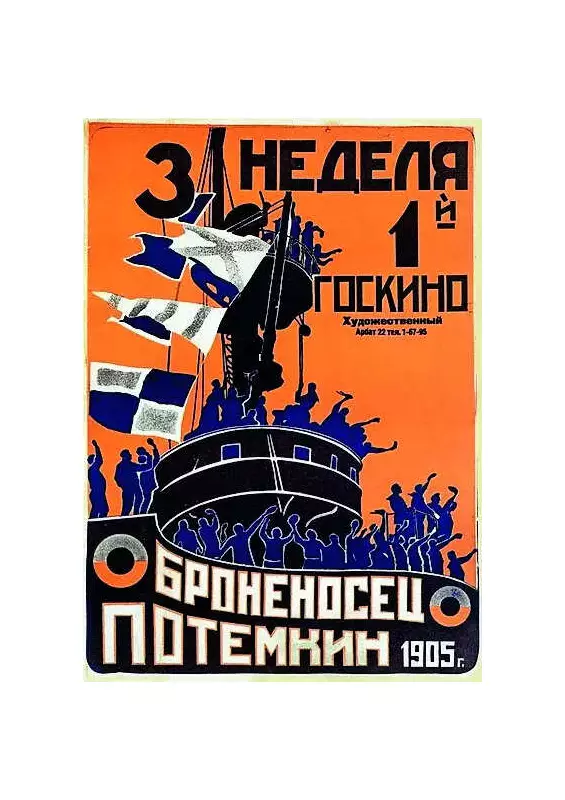
The controversy erupted when the Union Ministry of Information and Broadcasting did not grant the mandatory exemption to several films slated for the festival. Among the affected titles is Soviet director Sergei Eisenstein's seminal black-and-white classic, 'Battleship Potemkin', which is set to mark its 100th anniversary this very weekend. The film, a 74-minute masterpiece dramatizing a 1905 mutiny in Czarist Russia, is a staple in global cinema studies.
Responding to allegations of bias, the Centre clarified its stance on Tuesday, stating the rejections were based on procedural lapses. Ministry sources revealed that out of 187 applications received, 178 were approved. They pointed out that the IFFK organizers submitted their applications on December 3, whereas official guidelines require submissions at least 15 days before a festival's commencement. The 30th IFFK began on December 12 and runs until December 19.

Fallout and Escalating Tensions
The immediate consequence has been the cancellation of seven screenings over two days. Festival organizers have warned that up to eight more screenings could be axed if clearances do not arrive promptly. This legal impasse bars them from showcasing even globally acclaimed works without the proper certification.
Beyond 'Battleship Potemkin', other high-profile films were initially refused. A package of Palestinian films, including 'Palestine 36', was also denied permission, raising questions about the selectivity of the process. Interestingly, 'Palestine 36' was screened during the opening ceremony before the restricted list was received by the organizers. In a later development, the state government announced that the Centre granted clearance on Tuesday to four more films: 'Beef', 'Once Upon A Time In Gaza', 'Eagles of the Republic', and 'Heart of the Wolf'.
Political and Artistic Backlash
The situation has ignited a fierce debate on artistic freedom. Veteran filmmaker Adoor Gopalakrishnan condemned the move, arguing that denying permission based on titles or perceived themes strikes at the heart of creative expression and the international spirit of such festivals.
The issue quickly turned political. CPM general secretary M A Baby accused the central government of a deliberate attempt to sabotage the festival and of interfering in cultural domains. Congress MP Shashi Tharoor intervened, seeking an urgent resolution to prevent further damage to the event's schedule.
Amid the turmoil, Kerala's Cultural Affairs Minister, Saji Cherian, directed the State Chalachitra Academy to ensure no selected film is dropped. He firmly asserted that all films would be screened as per the original schedule, setting the stage for a potential standoff between state and central authorities over the future of one of India's most celebrated film festivals.