Indian YouTuber's Lavish Wedding Video Ignites National Dowry Controversy
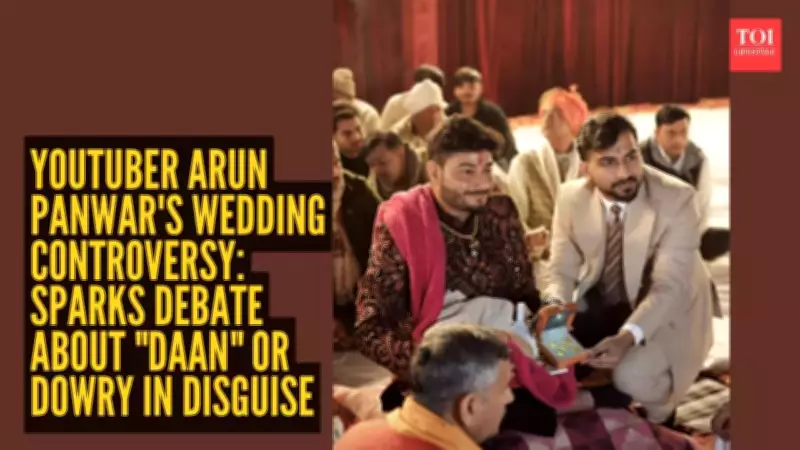
A celebratory wedding video shared by popular Indian YouTuber Arun Panwar has unexpectedly sparked a heated nationwide debate about dowry practices in contemporary India. The automobile vlogger's clip, which gleefully displays an astonishing INR 71 lakh in cash alongside 21 tolas of gold reportedly gifted by his bride's family, has drawn millions of views across social media platforms while simultaneously attracting severe criticism and backlash from viewers.
The Controversial 'Daan' Display
What makes this particular video so contentious is Panwar's deliberate framing of these substantial gifts as "daan" or charity rather than acknowledging them as what many perceive to be "dahej" or dowry. Shared extensively across X, Instagram, and YouTube platforms, the visual documentation of such significant wealth transfer during wedding celebrations has prompted uncomfortable questions about whether this represents merely an extravagant gift exchange or constitutes dowry practices cleverly rebranded for elite consumption.
In 2026, despite decades of stringent legislation including the Dowry Prohibition Act of 1961, this incident highlights how deeply entrenched certain customs remain within Indian society, even among affluent and influential individuals who might otherwise be expected to champion progressive values.

Who Is Arun Panwar?
For those unfamiliar with the creator, Arun Panwar has established himself as a prominent figure in India's automotive content space. With approximately 2.4 million subscribers on his YouTube channel, he regularly produces reviews and vlogs about cars, trucks, and SUVs, reportedly earning between INR 20-25 lakh monthly through his digital content creation. While he has cultivated a loyal fanbase over years of automobile-focused content, this single wedding video has dramatically overshadowed his professional work, thrusting him directly into India's persistent and emotionally charged dowry discourse.
Why This Video Went Viral
The wedding highlights video, set to upbeat music and featuring smiling faces, included the striking revelation of what Panwar labeled as "daan." The sheer scale of the gifts—Rs 71 lakh in cash and 21 tolas of gold—immediately captured public attention, with many viewers questioning how such transfers could be considered ordinary charitable donations rather than dowry exchanges.
Social media platforms erupted with reactions ranging from memes and rants to serious legal questions. Critics were quick to point out that semantic relabeling cannot erase what appears to be dowry-like transactions, especially when displayed so publicly. Many expressed concern that such displays by wealthy individuals establish toxic precedents that create unrealistic expectations and financial pressures for middle-class families during wedding preparations.
The 'Daan' Versus Dowry Debate
This controversy centers on a crucial distinction: traditionally, "daan" implies selfless charity or religious offering without expectation of return, while "dahej" or dowry represents cash, goods, or property demanded from the bride's family as a condition for marriage—a practice that is not only illegal but has been linked to numerous domestic tragedies and financial exploitation cases.
Detractors argue that Panwar's terminology represents a sophisticated loophole attempt to circumvent both legal scrutiny and social condemnation. Numerous netizens have called out this semantic maneuvering, with one commenter noting, "Word games don't change reality. This creates pressure on every bride's family to 'donate' substantially." Another observer remarked on X, "This social disease continues to thrive among 2026 elites, inspiring less affluent families to emulate practices they ultimately cannot afford—sometimes preventing marriages altogether."

Some critics have even questioned law enforcement's response, asking why no First Information Report has been filed despite the video's public nature. The irony is further amplified by the bride's professional background as a surgeon, leading one user to comment, "When educated elites normalize such practices, they pave the way for continued social regression." The comment sections across platforms have accumulated thousands of responses, with over 10,000 engagements on X alone, indicating this touches upon broader concerns about weddings becoming wealth display competitions that trap families in debt cycles.
The Broader Implications
Social commentators and ordinary citizens alike warn that such ostentatious displays perpetuate harmful standards that crush the aspirations of less-privileged families. With weddings already representing significant financial burdens across India, the normalization of "voluntary" large-scale gifting creates what many describe as a recipe for economic despair. When lower-income families witness elites exchanging crores in wedding contexts, they often experience feelings of inadequacy and social pressure.
Panwar's continued silence on the matter has only fueled the controversy further, with no apologies or contextual explanations offered despite mounting criticism. Meanwhile, the visible smiles of the bride's family in the video contrast with unanswered questions about what discussions might have occurred off-camera and what the complete background story might reveal.
This incident raises fundamental questions about the invisible dowry system that persists in contemporary India, often disguised under different terminologies and social justifications. As influencers increasingly shape cultural norms, this particular episode demonstrates how such influence can backfire dramatically when perceived as endorsing regressive practices.