Indian YouTuber's Lavish Wedding 'Daan' of Rs 71 Lakh Cash and 21 Tola Gold Ignites Dowry Controversy
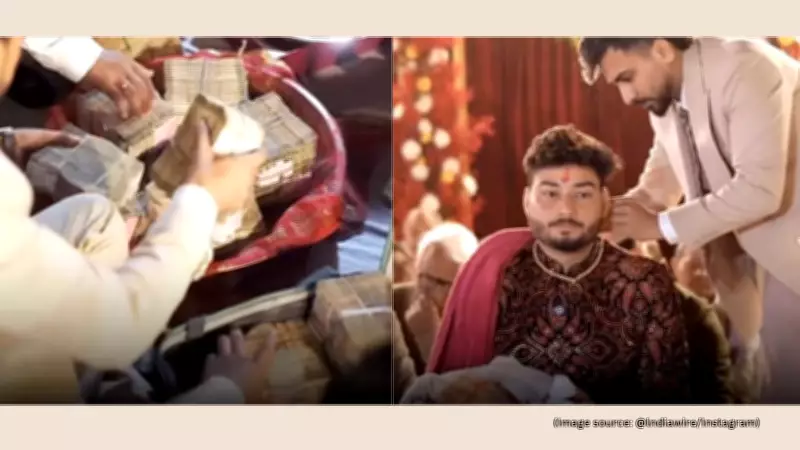
A wedding video featuring popular Indian YouTuber Arun Panwar has triggered widespread outrage and reignited the dowry debate across social media platforms. The viral clip shows Panwar accepting approximately Rs 71 lakh in cash and 21 tolas of gold during his wedding ceremony, which he referred to as "daan" rather than dowry.
Wedding Video Goes Viral, Sparks Social Media Storm
Although the wedding ceremony took place in late 2025, the video recently gained significant traction on social media, particularly after being shared by Instagram handle @Indiawire with the caption "Dahej nahi, daan hai" (Not dowry, it's donation). The footage shows family members presenting bundles of cash and gold jewelry to the groom while a priest announces the proceedings.
Panwar, who boasts over 2.4 million subscribers on YouTube, is known for his content focusing on cars, trucks, and SUVs. Reports indicate he earns between Rs 20-25 lakh per month from his YouTube channel, making the substantial wedding gifts particularly controversial among netizens.

Netizens React with Anger and Concern
The video quickly sparked heated discussions online, with many users expressing outrage over what they perceive as glorification of dowry practices. One user questioned, "He earns more than 25 lakh still he needs this much dowry?" while another demanded legal action, commenting "We demand arrest of bride and her family immediately if this is dowry. Giving dowry is crime and must be tackled with hard hands."
A third user expressed broader societal concerns, stating "This thing become ritual slowly. That's why most of poor family girls run away and married to other religion guy or not unmarried to entire lives. This kind of marriage glorification should be stopped."
Distinction Between 'Daan' and Dowry
Panwar specifically referred to the cash and gold as "daan," a term commonly used for voluntary donations or religious gifting in Indian culture, distinct from "dahej" or dowry. This linguistic distinction has become central to the debate, with critics arguing that substantial material exchanges during weddings, regardless of terminology, perpetuate problematic traditions.
The controversy highlights ongoing tensions between traditional wedding customs and modern legal frameworks in India, where dowry giving and receiving is prohibited under the Dowry Prohibition Act of 1961.
Historical Context of Lavish Wedding Exchanges
This incident follows similar controversies involving extravagant wedding gifts in India. In May 2025, a Rajasthan bride's family made headlines for presenting gifts worth approximately Rs 21 crore to the groom's family, including:
- 1 kg of gold
- 15 kg of silver
- A petrol pump
- A plot in Ajmer
- Rs 1.51 crore in cash
- Multiple vehicles
- Extensive clothing
- 210 acres of land
That ceremony saw 600-700 family members arriving in 100 cars and four luxury buses, carrying four suitcases filled with gifts.
Broader Implications for Indian Society
The Panwar wedding controversy raises important questions about:
- The normalization of substantial material exchanges during weddings
- The distinction between voluntary gifting and coercive dowry practices
- The role of social media influencers in shaping cultural norms
- The effectiveness of anti-dowry legislation in changing deep-rooted traditions
As the video continues to circulate online, it has become a focal point for discussions about marriage customs, financial expectations in weddings, and the persistent challenge of eliminating dowry practices in contemporary India.