Rabbi Shergill Performs in Lucknow, Hails City as Artistic Muse
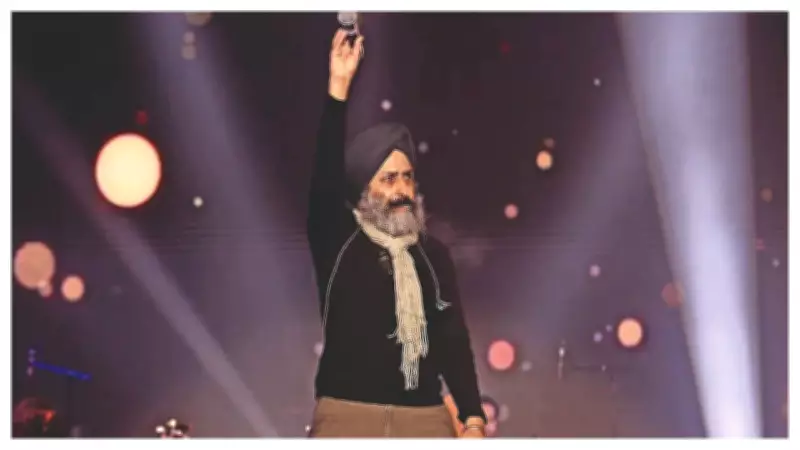
Singer-songwriter Rabbi Shergill, renowned for hits like Bullah Ki Jaana, Challa, and Tere Bin, recently captivated audiences with a powerful performance in Lucknow. In an exclusive conversation, the artist shared insights on the city's cultural richness, the evolving landscape for independent musicians, and the shifting dynamics of Bollywood's music industry.
Lucknow's Cultural Depth Inspires New Song
Shergill expressed deep admiration for Lucknow, describing it as an ancient city brimming with elements that inspire artists. "What I like about Lucknow is that it's an ancient city. It has all the elements which can inspire an artist," he said. He highlighted its authentic cuisine, rich history, and cultural legacy, noting figures like Wajid Ali Shah and literary giants. "Maybe my next song will be inspired by Lucknow. It has kind of become my muse," he revealed, suggesting the city's vibe might fuel his future creative work.
Independent Music Scene: Promise and Pitfalls
Reflecting on today's music scene, Shergill sees promise for independent artists, thanks to streaming platforms, social media, and live concerts. "It's definitely a good time to be an independent artist, much better than for us when we were starting out, breaking through," he noted. However, he lamented a key shortfall: "I don't see that many people speaking the truth of the moment." He elaborated that economic pressures often lead to a focus on quick gains, overshadowing deeper artistic expression.

Art's Role in Society and Personal Reflection
For Shergill, art's true purpose extends beyond virality. "The art's job is to clear the path for a new politics to emerge, a politics that really has its ears to hear what the janta really wants," he asserted. He admitted to personal hesitation in urging others to tackle tough issues, saying, "I can't really exhort others to say their piece. I find myself that I may have lagged behind a little bit myself." Despite this, he stressed the need to address inconvenient truths in society.
Move from Mumbai and Bollywood's Challenges
Shergill's relocation from Mumbai to Delhi signaled his disinterest in becoming a film artist. "I lived in Mumbai and I went away to live in Delhi. That should pretty much tell you where my heart was. I didn't want to be a film artist," he explained. Recently, he has nuanced this view, acknowledging films as India's pop music but facing barriers. "I say some inconvenient truths and then Bollywood runs away in the other direction. So it's very hard for me to say what I want to say and still be able to do some film work," he said, leaving the ball in Bollywood's court.
Bollywood's Monopoly and IPR Issues
On Bollywood's current music trends, Shergill remains detached but hears concerning developments from peers. He discussed how production houses now often commission individual songs or remixes rather than entrusting entire films to one music director. "That means they're pretty much trying to manipulate the IPR. If somebody has an IPR, it stays with them," he explained. This logistical shift, he noted, dictates sound design and limits creative freedom, with few filmmakers giving new music directors free rein.
Lost Indian Originality in Music
Shergill reminisced about a bygone era in Indian music where a single artist could leave a distinct stamp on songs and background scores. "There was a neat little Indian trick, it was very unique to India. You gave a guy and he created the songs and he created the background score. So there was a definite stamp of one person. Which is always nice to hear," he recalled, contrasting it with today's fragmented approach.