Border 2 Review: A Loud Echo Lacking the Original's Heart and Humanity
For those who grew up in the 90s, J.P. Dutta's Border was more than just a film; it was a cinematic event that turned into a full-family outing at the theatre. It left audiences with a profound respect for soldiers and, through the poignant lyrics of "Mere Dushman Mere Bhai," forced a confrontation with the human cost of war. The film reminded viewers that beneath the uniforms, the grief of a family remains the same on both sides of the border.
Border 2: A Hollow Shell of Nostalgia
Cut to 2026, and Border 2 has marched into theaters riding a massive wave of nostalgia. While it has achieved a successful run at the box office, becoming the highest-grossing Indian war film, it ultimately feels like a hollow shell of its predecessor. The sequel tries to lean on nostalgia but stumbles by treating it as a checklist rather than a genuine feeling.
The story feels painfully predictable, with audiences able to map out casualties from the dialogues. Iconic songs like 'Sandese Aate Hain' and 'To Chalun' are brought back, but the magic is missing. In the original, these numbers evoked genuine emotion; in the sequel, the picturisation feels hollow, and moments that should tug at the heart come across as forced.

Sunny Deol: From Gravitas to Gadar-esque Shouting
In the 1997 classic, Sunny Deol's Major Kuldeep Singh Chandpuri carried the poise and gravitas of a seasoned commanding officer. He was a leader who mentored his men with paternal kindness but could switch to sternness when required. Every outburst felt authentic rather than theatrical.
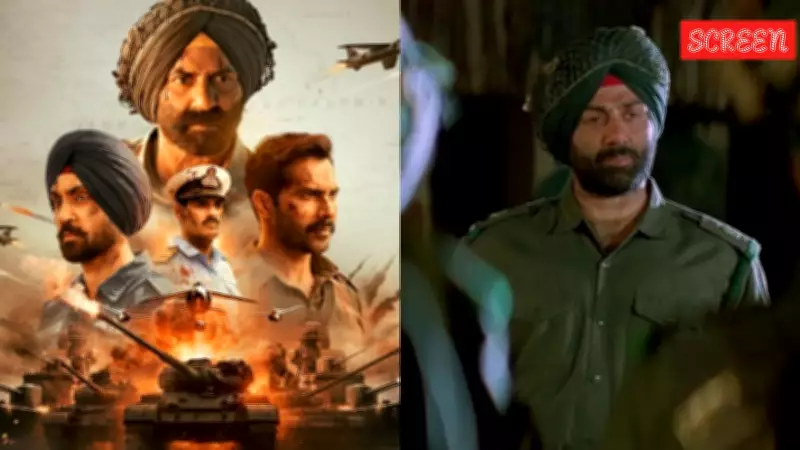
In contrast, Border 2's Lt. Col. Fateh Singh Kaler often feels like a scene straight out of Gadar, shouting over-the-top lines designed for theatre frenzy rather than a war room. The gravitas is traded for constant shouting, losing the nuanced portrayal that made the original character memorable.
Action Over Authenticity: Losing Realism in Spectacle
The original Border featured war sequences that felt grounded and believable, despite the technical limitations of the time. Border 2, however, leans heavily into over-the-top spectacle. Sunny Deol's character performs stunts that belong more in a superhero blockbuster than a war film, with hand-to-hand combat scenes that feel exaggerated.
When Sunny Deol and his troops arrive to rescue Varun Dhawan's character just in time, it feels like they pressed a teleporting button. In its quest to be a "high-octane actioner," the film loses its realism, making the battle scenes feel disconnected from the gritty authenticity of war.
Missing Vulnerability: The Human Cost of War
What made the 1997 original a memorable film was its willingness to let its heroes be human. Border didn't just showcase soldiers; it showcased the psychological toll of the uniform. Characters like 2nd Lieutenant Dharamvir Singh (Akshaye Khanna) and Captain Bhairon Singh (Suniel Shetty) displayed vulnerability, fear, and moral struggle, grounding the film in emotional reality.
While Border 2 also depicts soldiers losing friends in combat, it focuses on the spectacle of sacrifice rather than the weight of these moments. The sequel lacks the deep exploration of fear, grief, and humanity that made the original resonate with audiences.
Quiet Patriotism vs. Loud Hostility: A Shift in Cinema
The 1997 Border showed restraint in portraying the "enemy." Pakistani soldiers were depicted as soldiers fighting for their flag, without dehumanisation. The film never pushed the audience to hate them; the tension came from the battlefield itself.
Border 2, on the other hand, leans heavily into the tropes of modern "rage-bait" cinema. The Pakistani armed forces are frequently shown hurling insults, a move designed to rile up the audience. This reflects a shift in Indian cinema where hyper-nationalism has replaced quiet patriotism, playing it safe for box-office success rather than exploring humanistic themes.

How Border 2 Loses the Soul of War
What truly made Border stand out was its focus on the human cost of war. The film ended with a somber Major Chandpuri mourning the lives lost on both sides, and the song "Mere Dushman Mere Bhai" drove home a message of empathy and hope for mutual prosperity.
In today's polarised climate, calling for empathy toward the "other side" is often branded as a betrayal. Border 2 largely avoids this humanistic lens, barring a brief scene where Diljit Dosanjh's character's mother mentions that mothers on the other side also pray for their sons. Beyond that, the sequel lacks the moral weight and soul of its predecessor, feeling soulless in comparison.
Border 2 succeeds as a box-office powerhouse, but it fails as a successor to the 1997 film. As audiences remember the impact of the original—reminding them that every fallen soldier has a name and a home—Border 2 stands as just a loud, hollow echo, missing the heart and humanity that made the classic timeless.