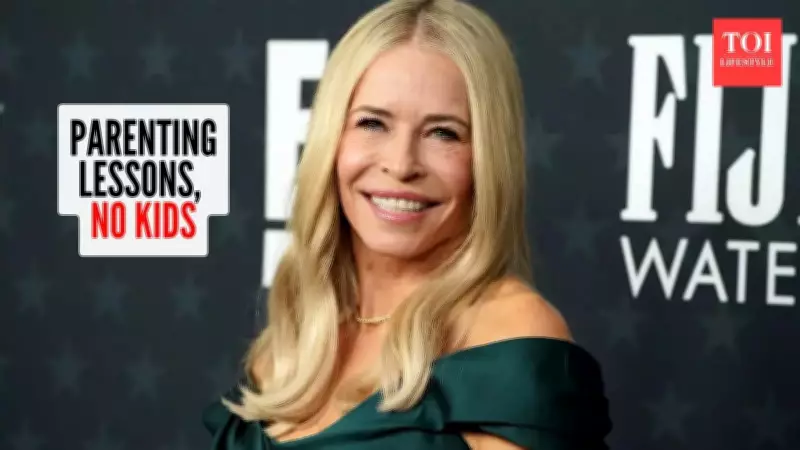
Chelsea Handler's Unexpected Parenting Journey: Learning to Care Without Becoming a Mother
At 50, comedian and television host Chelsea Handler has always been vocal about her decision not to have children. That's why her recent revelation about enrolling in parenting classes caught many off guard. The surprising disclosure emerged during her candid conversation on the Dinner's On Me podcast with Jesse Tyler Ferguson.
From Joke to Genuine Commitment
What initially sounded like a humorous anecdote quickly transformed into a profound reflection on care, responsibility, and showing up for young lives. Handler clarified that this isn't about reconsidering motherhood but about learning how to be meaningfully present in children's worlds without being their parent.
How Parenting Entered Her Life
The story begins with Handler's deep involvement with three girls who are daughters of a former partner. Remarkably, the relationship with these young women remained strong even after the romantic connection ended. These weren't passing acquaintances in her life but teenagers navigating confusion, neglect, and the fundamental human need to feel noticed and valued.

Rather than maintaining distance, Handler made a conscious choice to learn how to support them in healthy, constructive ways that would genuinely benefit their development.
The Motivation Behind Parenting Classes
Handler emphasized that her decision to take parenting classes stemmed from respect rather than pressure or guilt. She openly admitted she didn't want to simply guess what children need emotionally and psychologically.
A psychologist leading the sessions explained the fundamental elements children seek: feeling safe, secure, and genuinely seen. The classes helped Handler understand crucial concepts including:
- Establishing healthy boundaries
- Maintaining consistency in relationships
- Developing emotional availability
These weren't lessons about discipline or control but about building trust and creating secure emotional foundations.
Learning Without Changing Her Life Path
The parenting education didn't push Handler toward reconsidering having biological children. Instead, it helped her become a steadier, more reliable adult presence in children's lives. She discovered that meaningful influence doesn't require biological connection but demands:
- Consistent time investment
- Radical honesty
- Reliable follow-through on commitments
Handler remained clear about her choice to stay child-free while simultaneously embracing her capacity for deep, meaningful care.
Transformations After the Classes
Following the sessions, Handler's role crystallized into something more defined and intentional. She began:
- Attending school events and important occasions
- Checking in regularly with the girls
- Maintaining emotional consistency in her interactions
FaceTime calls became routine, sometimes occurring late at night when support was most needed. The girls developed trust because Handler listened without condescension or judgment. Their biological parents welcomed her presence not as a replacement but as an additional layer of supportive care.
Connections to Her Own Childhood
Handler connected this effort to her personal upbringing experiences. As the youngest of six children, she often felt overlooked and unseen. With largely absent parents, older siblings filled caregiving gaps. The parenting classes helped her recognize what she had missed during her own childhood.
Showing up for these girls became a conscious effort to break old patterns rather than repeat them, creating healthier dynamics for the next generation.
Redefining Who Can Offer Parenting Wisdom
This narrative challenges conventional assumptions that parenting knowledge belongs exclusively to biological parents. Handler's experience demonstrates that children benefit from multiple caring adults in their lives. Aunts, uncles, mentors, family friends, and even neighbors can provide crucial emotional support.
The essential elements aren't formal labels but fundamental human qualities: genuine respect, consistent honesty, and reliable emotional presence. This approach creates safety nets of support that can significantly impact young lives.

Disclaimer: This article is based on statements shared by Chelsea Handler during her appearance on the Dinner's On Me with Jesse Tyler Ferguson podcast and related public discussions. It does not add or assume details beyond what has been publicly shared.