The Anatomy of a Viral Super Bowl Rumor: How False Claims Spread Online
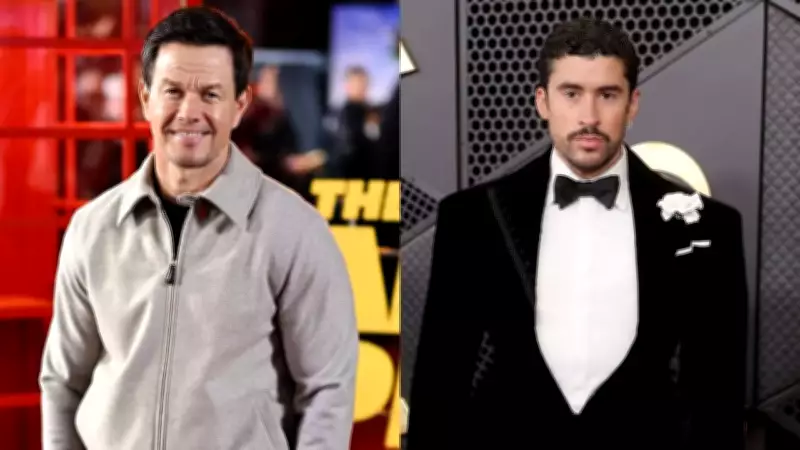
In today's digital landscape, viral outrage can ignite with astonishing speed, especially when it intersects with potent cultural flashpoints like politics, identity, and major events such as the Super Bowl. A striking example unfolded in the fall of last year, when a brief Instagram video triggered a wildfire of strong opinions alleging that Hollywood actor Mark Wahlberg had taken a verbal swing at global music sensation Bad Bunny regarding his upcoming Super Bowl halftime performance.
The Perfect Storm: Timing and Tension Fuel the Fire
The statement went massively viral, propelled by the existing political tensions and the often controversial discourse surrounding language and identity within contemporary pop culture. The timing rendered this particular rumor especially combustible. Just weeks prior, the National Football League had officially confirmed Bad Bunny as the headline performer for the Super Bowl LX halftime show, an announcement met with both widespread celebration and notable backlash.
Adding fuel to the fire, during his Saturday Night Live monologue, Bad Bunny (born Benito Martínez Ocasio) humorously remarked that Americans had roughly four months to learn Spanish ahead of his performance. While intended as light-hearted banter, this joke did not land well with everyone, sparking immediate online criticism and setting the stage for the subsequent false narrative.

Deconstructing the Viral Video: Narration Over Evidence
The viral clip in question, shared by the account @kingtretainment, cleverly framed Wahlberg as issuing a direct, hostile response to Bad Bunny's joke. The video opened with a dramatic voiceover proclaiming, "Mark Wahlberg's bold shot at Bad Bunny ignites the internet." It then proceeded to allege that Wahlberg had retorted with the inflammatory statement, "Maybe you should go back to Puerto Rico." The clip concluded by provocatively asking viewers, "Is this just pride or something more dangerous?"
Despite gaining significant traction across social media platforms, the accusation crumbled under scrutiny. Investigators and fact-checkers found no verified footage, no direct statement from Wahlberg or his representatives, and no corroborating reporting from any major news outlets to support the sensational claim. Given Wahlberg's high-profile public status, any such derogatory remark would have undoubtedly triggered immediate and widespread media coverage, which simply did not occur.
Past Controversies Resurface in the Misinformation Vortex
In the absence of evidence, online commenters instead dredged up Wahlberg's past controversies, most notably a widely reported assault incident from his teenage years for which he later formally apologized. While this history resurfaced within the heated online discussions, it remained entirely unrelated to Bad Bunny's Super Bowl role or the fabricated claim at hand.
This incident ultimately served as a stark realization: Mark Wahlberg did not mention Bad Bunny in relation to the halftime show at all. The entire viral narrative was constructed from speculative narration, implication, and opportunistic timing, wholly devoid of factual evidence.
A Wake-Up Call in the Age of Digital Indignation
In an era where fake news and misinformation often thrive by exploiting public indignation and cultural divides, this episode stands as a critical wake-up call. It underscores a vital lesson for digital citizens: not everything trending on social media is true, even when the narrative appears plausible or aligns with existing societal tensions. The rapid spread of this baseless rumor highlights the need for media literacy, source verification, and cautious consumption of viral content, especially when it involves high-stakes cultural moments like the Super Bowl.