Taylor Swift's Cultural Dominance Faces Unprecedented Public Pushback
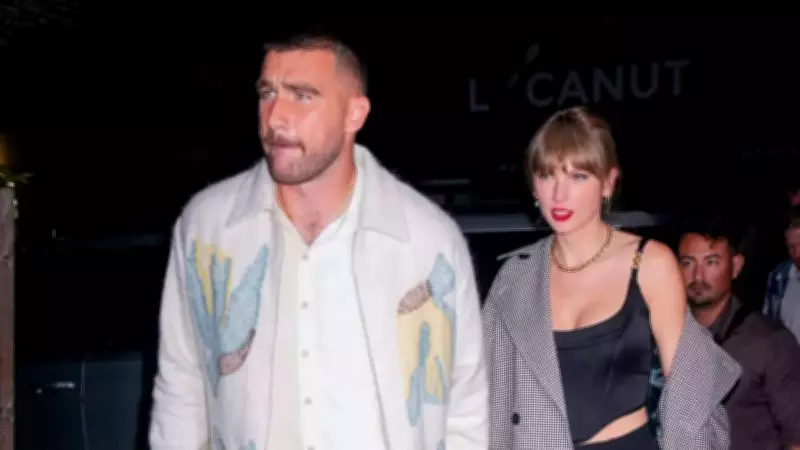
For over a decade, Taylor Swift has masterfully shaped pop culture trends rather than merely responding to them. However, recent developments indicate a significant shift in this dynamic. While public attention toward the global superstar remains substantial, the nature of that attention has undergone a noticeable transformation.
The Gradual Shift from Admiration to Skepticism
What was once primarily fueled by admiration and loyalty has increasingly become mixed with fatigue, criticism, and growing skepticism. This evolution has been gradual yet unmistakable, reflecting broader cultural patterns rather than isolated incidents. The current moment transcends any single album release cycle or temporary controversy, revealing how quickly public goodwill can diminish when sustained dominance begins to feel like overexposure.
Taylor Swift continues to rank among the most recognizable figures worldwide, but recognition and approval are no longer moving in tandem. This emerging gap presents challenges that even the most carefully managed celebrity brand may struggle to control effectively.

Data Reveals Declining Public Favorability
Recent analytical data suggests a measurable decline in public favorability toward Swift, with timing that proves particularly significant. This downturn preceded the latest wave of online backlash connected to leaked messages from a high-profile legal dispute. Social media reactions have grown increasingly blunt, emotional, and unforgiving in tone.
The discourse has shifted from defensive support to confrontational criticism. One longtime fan expressed, "I always thought it was strange she needed so many album variants to break records that other artists achieved with single releases across limited formats. She's undoubtedly famous, but I question whether her popularity matches the narrative she and her dedicated followers promote."
Growing Frustration with Perceived Image Management
Other social media users echoed similar frustrations. One commenter remarked, "It feels like she's investing her considerable wealth into creating an illusion of being more beloved and famous than reality suggests! This manufactured perception proves increasingly frustrating!"
Some criticism focused less on commercial metrics and more on strategic image management. A thoughtful observer noted, "Taylor Swift maintains genuine popularity, but perhaps not to the extent media coverage and her public relations team suggest. This discrepancy likely relates to how aggressively her PR apparatus generates articles and amplifies events like the Eras Tour beyond their actual scale. Numerous other artists could match or exceed her stadium-selling capacity—the primary difference being their teams don't maintain constant news cycle presence."
Questions About Artistic Evolution and Self-Perception
The most pointed reactions questioned Swift's artistic maturity and self-perception. One critic commented, "She contributed to this situation by maintaining a perpetual victim narrative into her mid-thirties. Her music, which might reasonably develop greater depth and meaning with age, has instead become more simplistic and juvenile. The leaked Blake Lively texts reveal an inflated self-regard. Her persona has consistently grated on some observers."
Another user succinctly captured the evolving public sentiment: "The more intensely she and her team work to project overwhelming popularity, the more awkward and off-putting the effort appears."
The Challenge Beyond Universal Recognition
While Taylor Swift's name recognition remains essentially universal across demographics and regions, the task of rebuilding trust and genuine connection may prove more complex than selling out stadiums or breaking sales records. This evolving dynamic between the superstar and her audience reflects broader cultural conversations about celebrity saturation, authentic connection, and the sustainability of prolonged cultural dominance in an increasingly fragmented media landscape.