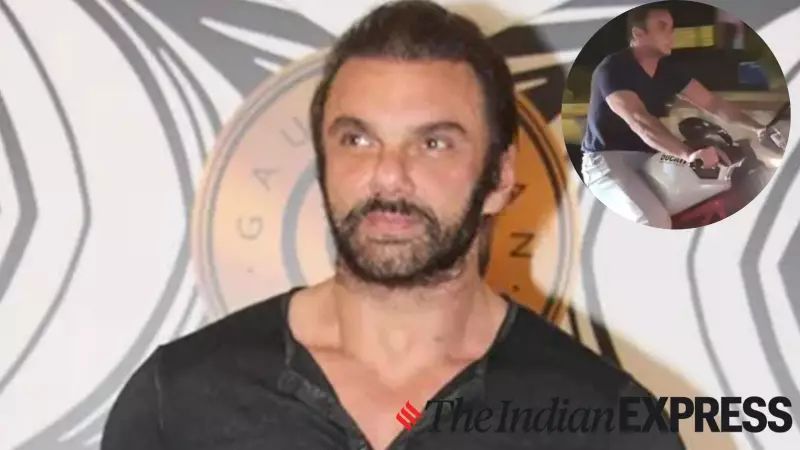
Bollywood actor and filmmaker Sohail Khan has issued a public apology after a video of him riding a motorcycle on the streets of Mumbai without a helmet sparked widespread criticism online. The video, which went viral in December 2025, prompted the actor to address his fans and traffic authorities directly on Instagram.
Sohail Khan's Heartfelt Apology and Explanation
In his detailed post on December 16, 2025, Sohail Khan expressed regret for his actions. He stressed that riding has been a lifelong passion, tracing back to his childhood days on BMX cycles. However, he openly admitted to a personal struggle that leads him to avoid helmets. The 'Veer' actor confessed that he feels "claustrophobic" when wearing a helmet, a sensation of being trapped and suffocated.
Despite this personal challenge, Sohail was clear that it is not a valid excuse. "I would like to request all the bike riders please wear helmets. I avoid wearing them at times as I feel claustrophobic, but that's no excuse to not wear one," he wrote. He explained his typical riding habits, stating he mostly rides late at night to minimise traffic risks, at a slow pace, and with his car following him for added safety.

The actor made a firm commitment to his fans and fellow riders. "I assure fellow riders that I will make a genuine effort to overcome my claustrophobia and wear a helmet," he promised. He extended his sincere apologies to traffic authorities, saluted riders who consistently wear helmets despite discomfort, and reiterated the crucial safety mantra: "It is better to be safe than sorry."
Neurologist Explains the Real Risk of Skipping a Helmet
To understand the gravity of riding without a helmet, we spoke to Dr. Aniruddha Vasant More, a consultant neurologist at Jupiter Hospital in Thane. Dr. More explained that the feeling of suffocation Sohail described is often related to anxiety or claustrophobia. "The brain interprets the enclosed space as a threat, leading to symptoms like shortness of breath, sweating, or restlessness. Importantly, this does not mean the helmet is blocking oxygen or causing harm," he clarified.
Dr. More emphasised the extreme vulnerability of the human brain during any accident. "Even a low-speed fall can result in serious head injuries. The brain is very susceptible to sudden impact," he warned. He revealed that many patients treated for concussions or internal bleeding were not speeding or in heavy traffic, highlighting the unpredictable nature of accidents.
How to Overcome Helmet Discomfort: Expert Tips
For riders who share Sohail Khan's feeling of claustrophobia, Dr. More suggests practical steps to adapt. The solution lies in gradual adjustment and choosing the right gear.
Choosing the right helmet is the first step. Opt for a well-fitted, lightweight model with excellent ventilation. This can significantly reduce the feeling of being enclosed.
He also recommends an acclimatisation process. "Riders can start by wearing the helmet for short periods at home to help their brains adjust to the feeling," Dr. More advised. Practicing slow, controlled breathing before and during a ride can also help manage panic responses effectively.
Dr. More made a critical distinction: "Discomfort is a sensory response, not a safety indicator." He asserted that helmets are engineered to protect the skull and absorb impact, and feeling uncomfortable does not equate to reduced airflow or greater danger. The true and far greater risk is riding without one.
The Lifelong Consequences of Traumatic Brain Injury
Dr. More explained why neurologists are unwavering in their stance on helmet use: they witness the devastating aftermath of non-compliance firsthand. Traumatic brain injuries can lead to permanent, life-altering conditions such as memory loss, personality changes, seizures, or lifelong disability.

Unlike other parts of the body, the brain has a very limited capacity to heal after severe trauma. "A helmet greatly lowers the risk of fatal and permanent damage," Dr. More stated. He concluded with a powerful message: "Claustrophobia can be managed, but brain injury cannot be undone. Wearing a helmet is not just about following the law, it's about protecting your future self."
Sohail Khan's public apology has turned a moment of controversy into a significant public service message about road safety and personal responsibility, backed by crucial medical insight.