For decades, Indian cinema's heart has beat to the rhythm of the quintessential, larger-than-life hero—the infallible favourite who saves the day. However, a significant shift in audience taste is now steering the narrative towards a different kind of protagonist. Moviegoers are increasingly drawn to complex, flawed, and unconventional characters who don't necessarily fit the traditional heroic mould. These imperfect figures, portrayed in a more natural light, often leave a more profound and lasting impression on the viewer's mind long after the credits roll.
The Allure of Imperfection: Why Flawed Characters Feel Real
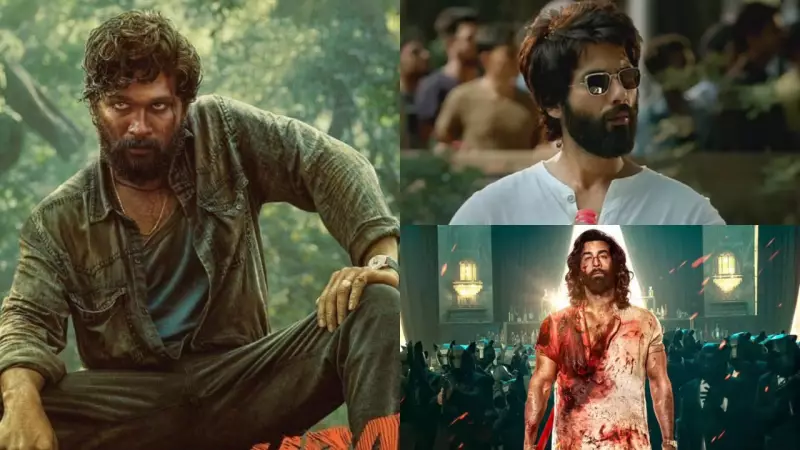
The move towards unconventional characters brings a layer of gritty realism to films, making stories more relatable and thought-provoking. A prime example is Allu Arjun's iconic portrayal of Pushpa Raj in the blockbuster 'Pushpa: The Rise'. Pushpa is unapologetically loud, operates in moral grey areas, and openly breaks the rules set for a mainstream hero. He embodies the anti-hero archetype, yet the film meticulously explores his emotional backstory, revealing the vulnerabilities and circumstances that shaped him. This blend of defiant attitude and emotional depth is what transformed a simple smuggler into a nationwide pop culture phenomenon.
This trend signifies a departure from black-and-white storytelling. Audiences are now captivated by personalities who mirror the complexities of real human beings—individuals with significant flaws, oddities, and internal conflicts. Their journeys feel authentic because they are not sanitized versions of heroism but raw depictions of struggle and ambition.

Filmmakers and Actors Embrace the Offbeat Narrative
Industry creatives are actively championing this narrative shift. Actress Aishwarya Nambiar, known for films like '14 February' and 'Stalker', highlighted the power of such roles in a conversation with Etimes. "Unconventional characters bring an offbeat and thought-provoking perspective to the movie," she stated. She explained that these roles push the boundaries of audience imagination and break free from stereotypical stories by exploring ethical dilemmas, thereby delivering a more personalized narrative.
This approach, however, often walks a fine line and sparks intense public debate. Director Sandeep Reddy Vanga's film 'Kabir Singh', starring Shahid Kapoor, serves as a landmark case. The character of Kabir Singh was volatile, self-destructive, and deeply flawed, with the film showcasing elements of toxic masculinity and poor treatment of women. The movie became a massive box office success despite receiving mixed critical reviews, proving the commercial viability of such contentious protagonists.
Navigating Criticism and Cultural Backlash
The discussion around these characters often extends beyond cinema into societal commentary. Director Vanga, who also helmed the controversial 'Animal', addressed the criticism head-on. In an interview with Film Companion, he defended a scene where Kabir Singh assaults his love interest, Preeti (Kiara Advani), by suggesting his action had a reason. "She slapped him without a reason, at least Kabir had a reason to slap her," Vanga remarked, adding a provocative perspective on emotion and possession within relationships.
The release of Ranbir Kapoor's 'Animal' further intensified this discourse, with the film facing significant backlash for its violent and misogynistic tone. Speaking on the 'Game Changers' YouTube channel, Vanga referenced criticism from an IAS officer who argued that such movies "shouldn't be made" and that they pull society backwards. Vanga's reaction—feeling as if he had committed a criminal act—underscores the polarizing impact these narratives create, setting them apart from inspirational tales like '12th Fail'.
Ultimately, the rise of the unconventional hero marks an evolving maturity in Indian cinema and its audience. It reflects a willingness to engage with uncomfortable, complex human portraits, ensuring that the stories told are not just entertaining but also deeply resonant and endlessly debatable pieces of modern culture.