The Awakening That Began With Rejection
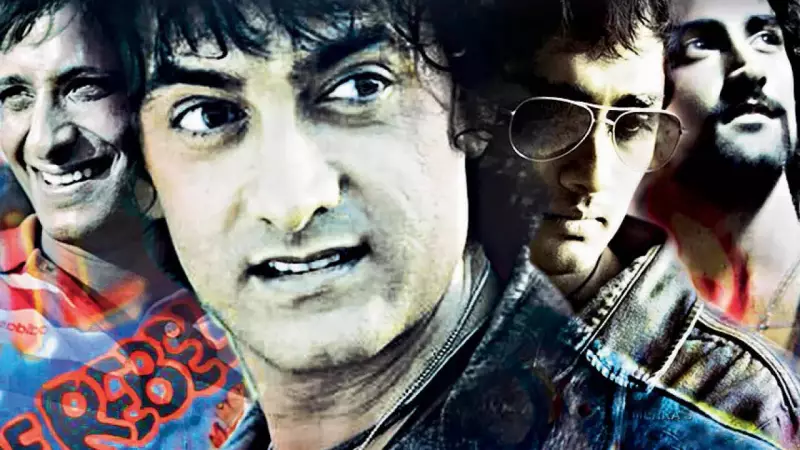
When Rang De Basanti stormed into theaters in 2006 with its powerful tagline 'A generation awakens', few could have predicted how prophetic those words would become. Director Rakeysh Omprakash Mehra and writer Kamlesh Pandey had envisioned creating a cinematic experience that would ignite the spirit of India's youth by connecting them with the stories of freedom fighters. Their journey, however, began not with acceptance but with outright rejection from the very generation they sought to inspire.
When College Students Said No
To test whether contemporary youth could relate to Bhagat Singh's revolutionary story, Mehra and Pandey conducted an unusual experiment. They gathered 30-40 college students in Mumbai for a script discussion of what was then called The Young Guns of India. The response was devastatingly clear: the young generation showed no interest in revolutions. Their aspirations lay elsewhere:
- Following the latest fashion trends
- Pursuing education in the United States
- Securing positions in multinational corporations
- Ultimately settling abroad for better opportunities
Convinced their sample might be skewed, the filmmakers organized another focus group in Delhi, only to encounter identical reactions. Students there dismissed the concept within five minutes, forcing both director and writer to confront the possibility that their vision might never resonate with modern youth.

The Unexpected Transformation
Despite these discouraging beginnings, Rang De Basanti achieved something extraordinary upon its release. The film didn't just entertain audiences; it catalyzed a genuine social movement. One of its most remarkable after-effects was witnessing young professionals abandoning lucrative careers abroad to return to India and establish NGOs dedicated to social change.
Positive Change Across the Nation
"The change the film brought about wasn't angry," Mehra reflects. "The change was positive. I saw so many youngsters and mentored them." Documentaries exploring the film's impact feature testimonials from diverse voices including:
- The then Chief Justice of India
- Senior government officials
- Prominent thought leaders
- Students from various educational institutions
Specific examples of this transformation emerged across India. Students in Pune made the dramatic gesture of tearing their passports to launch their own Rang De movement. Young activists established NGOs in Ahmedabad, while professionals returned from America to dedicate themselves to social work, creating ripples of change that extended far beyond cinema halls.
Journalism's Crucial Role
Mehra acknowledges that journalism played an indispensable part in transforming his film into a national phenomenon. "I took the film to Delhi on the 26th in 2006," he shares, "and I had a screening at 9 am with some very senior journalists. Two of them broke down. I knew that something special was happening."
He emphasizes that not just film critics but Indian journalism as a whole contributed significantly to what Rang De Basanti eventually became. The media's engagement helped amplify the film's message beyond entertainment, turning it into a cultural touchstone that resonated with citizens across the country.
The RDB Effect in Action
The film's influence manifested dramatically during the Jessica Lal murder case. When Manu Sharma was acquitted in February 2006 due to insufficient evidence—just four weeks after Rang De Basanti's release—The Times of India ran the provocative headline 'No One Killed Jessica'. This verdict sparked a massive public response.
Approximately 2,500 people, predominantly students, gathered at India Gate for a candlelight rally that mirrored the film's powerful vigil scene. Participants arrived wearing RDB T-shirts and quoting dialogue from the movie, leading media outlets to dub the phenomenon 'The Rang De Basanti Effect'. This established candlelit protests as a symbolic method for raising social issues, demonstrating how cinema could shape real-world activism.

Nearly two decades later, the echoes of Rang De Basanti continue to reverberate through citizen movements across India. What began as a rejected script evolved into a cultural force that genuinely awakened a generation, proving that sometimes the most powerful revolutions begin not with acceptance but with perseverance against initial dismissal.