Rang De Basanti Turns 20: A Reflection on Rebellion and Change in Indian Cinema
Two decades have passed since the release of Rang De Basanti, a film that ignited a spark of rebellion and reminded the youth of their power to bring about change. Today, as we look back, the anti-establishment warriors seem missing, and the voice of dissent in Indian cinema has grown faint. Written by Sampada Sharma on January 27, 2026, this milestone prompts a deeper examination of how art evolves and its role in society.
The Power of Art: Speaking Truth to Power
Poetry, literature, comedy, and cinema are not merely forms of entertainment; they possess the profound ability to speak truth to power, ignite rebellions, and start revolutions. A comedy film often reflects the society we live in and the legacy we leave for future generations. A poem chronicles the truths of its time, serving as a historical record. Artists are acutely aware of this power, as is the establishment, which sometimes responds with censorship or bans. For millennials, films like Rang De Basanti stand as relics of an era where such bold narratives could thrive, a stark contrast to today's cinematic landscape.
Rang De Basanti: A Spark of Rebellion
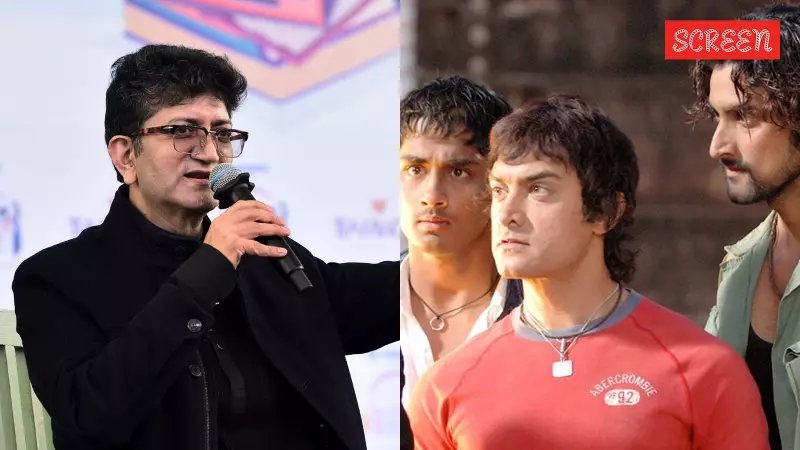
Released in 2006 and directed by Rakeysh Omprakash Mehra, Rang De Basanti starred Aamir Khan and acted as a catalyst for questioning authority and demanding accountability. Supported by AR Rahman's evocative music and Prasoon Joshi's powerful lyrics, songs like Roobaroo Roshni and Khoon Chala became anthems of rebellion. These tracks inspired the youth to recognize their inner fire and challenge the system, making the film a cultural touchstone for a generation seeking change.

Prasoon Joshi: From Rebel to Establishment Figure
Ironically, Prasoon Joshi, the poet who penned these revolutionary anthems, now serves as the chairperson of the Central Board of Film Certification (CBFC), a position he has held for nearly nine years—the longest tenure since the board's inception in 1951. This shift from rebel to establishment figure raises questions about the evolution of artistic voices in India. Joshi's journey highlights a broader trend where once-critical artists may align with systems they once challenged.
The Changing Landscape of Indian Cinema
Historically, films have been used as tools for propaganda, such as during the 1962 India-China war or to promote messages like Jai Jawan Jai Kisan. Yet, even in those times, cinema retained the power to question authority, as seen in works by Raj Kapoor. In recent years, however, this critical voice has diminished. Films now often include disclaimers or narratives that avoid controversy, such as Ikkis or Dhurandhar, where the spark of rebellion seems extinguished in favor of safer, more controlled storytelling.
The Role of CBFC and Lack of Transparency
As head of the CBFC, Prasoon Joshi wields significant influence over what audiences consume. The board's operations have been criticized for lacking transparency and adopting an authoritarian approach. Recent incidents, like the delays for Jana Nayagan or debates over minor details in films like All India Rank, suggest a system that quashes dissent without discussion. This environment stifles creative expression, particularly when it involves topics like religion, politics, or community issues that diverge from approved narratives.
Prasoon Joshi's Stance on Criticism and Contribution
In a past interview, Prasoon Joshi remarked that criticism of the government is not the only way to effect change; constructive contributions can also make a difference. This statement, while pragmatic, contrasts with the rebellious spirit of his earlier work in Rang De Basanti. It leaves one wondering if the times have forced such a shift or if it represents a personal choice for an easier path. Over his nine-year tenure at CBFC, Joshi has worked less in movies, yet the cinematic landscape has transformed significantly, raising questions about his role in this evolution.

Legacy and Irony for Future Generations
As future generations examine the art of this era, they may find it ironic that Prasoon Joshi, once a voice of revolution through Rang De Basanti, has become part of the establishment. They will ponder whether external pressures necessitated this change or if it was a deliberate choice. This reflection underscores a broader decline in dissent within Indian cinema, where the powerful anthems of rebellion have given way to a more subdued and controlled artistic expression.
In conclusion, the 20th anniversary of Rang De Basanti serves as a poignant reminder of the film's impact and the shifting dynamics in Indian cinema. The journey from rebel anthems to establishment echoes highlights the complex interplay between art, power, and societal change, urging us to reflect on the voices we have lost and those that still strive to be heard.