GenZ Revisits Sholay: A Timeless Masterpiece That Redefined Indian Cinema
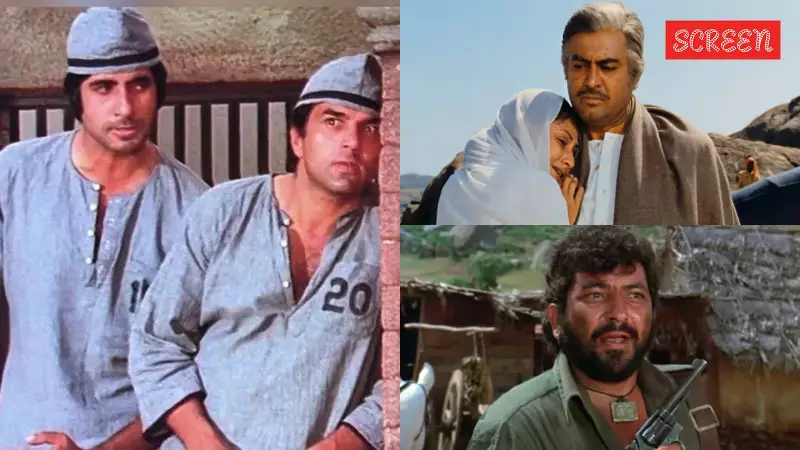
Growing up, iconic dialogues like ‘Basanti, inn kutton ke saamne mat naachna’, ‘Tera kya hoga kaalia’, and ‘Yeh haath mujhko de de Thakur’ were part of everyday conversations, yet their origin remained a mystery to many. It was only recently, on director Ramesh Sippy's birthday, that I—and countless GenZ individuals like me—discovered the source: the legendary 1975 action drama Sholay. Watching this film for the first time was a revelation, starring legends such as Amitabh Bachchan, Dharmendra, Sanjeev Kumar, Amjad Khan, Hema Malini, and Jaya Bachchan.
Why Sholay Deserved a National Award
The film rightfully earned its commercial and critical acclaim, becoming a cultural touchstone that continues to influence Indian cinema. A pressing question arises: Why didn't this dacoit Western receive a National Award in 1975? As I immersed myself in this iconic masterpiece, this query lingered, highlighting the film's unparalleled contribution to the industry.
Action Sequences: Fun and Innovative
From Sanjeev Kumar's Thakur battling dacoits on a train to Amitabh Bachchan's Jai confronting Gabbar's men, every action scene was both fun and amusing. Unlike today's intense, gore-filled sequences, Sholay offered a complete entertainment package. It was astonishing to realize that such advanced action choreography was possible in the 1970s, a testament to the filmmakers' creativity.

Refreshing Performances from Young Legends
Watching Dharmendra and Amitabh Bachchan in their early 30s was a refreshing experience, as my memory only recalls them as veterans. Their on-screen chemistry as Jai and Veeru showcased a bromance that set the standard for future duos like Karan and Arjun.
Hema Malini: The Ultimate Star
Hema Malini's performance in ‘Haa Jab Tak Hai Jaan’ was mesmerizing, proving she was the ultimate star of her time. Her role as Basanti, saving Amitabh and Dharmendra with her tonga during a dacoit attack, remains a memorable highlight, much like modern actresses in item songs today.
Gabbar: A Villain Without Cause
Amjad Khan's Gabbar instilled fear with his satirical laugh and menacing expressions. Unlike typical villains driven by greed or power, Gabbar sought pure dominance over Ramgarh village, making him a rebel without cause. This complexity added depth to the narrative, contrasting with Thakur's quest for revenge.
Censorship and the Emergency Era
While modern audiences criticize the Indian censor board's strictness, Sholay's production during the Emergency faced even harsher constraints. The original climax, where Thakur kills Gabbar, was altered due to CBFC pressure, resulting in a reshoot where police arrest the villain. This change reflects the limited creative freedom of that era, compared to today's more lenient standards on violence.
Why Sholay Can't Be Recreated Today
In my view, Sholay can never be remade in 2026 because today's actors are too insecure to share equal screen time. Legends like Dharmendra and Bachchan focused solely on crafting a great film, unlike contemporary stars who prioritize grandeur and screen presence. The film's success lay in its collaborative spirit, with no competition among actors to outshine each other.
Empowering Female Characters
Ramesh Sippy ensured that female characters like Hema Malini's Basanti and Jaya Bachchan's Radha were integral to the plot, possessing their own personality and individuality. In contrast, modern films often reduce actresses to props or eye candy, as seen in movies like Animal (2023) and Kisi Ka Bhai Kisi Ki Jaan (2023).
Sholay remains a benchmark in Indian cinema, blending action, drama, and character depth in a way that modern films struggle to replicate. Its legacy endures, reminding us that true artistry transcends generations.