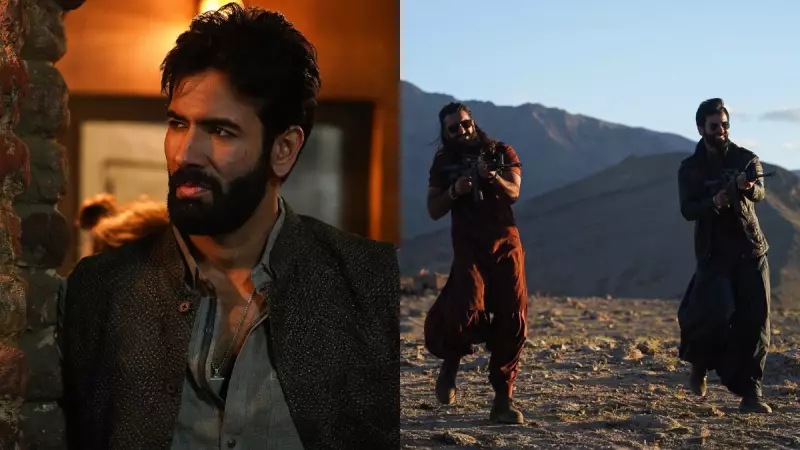
In a development that has sent shockwaves through the Indian film industry, actor Danish Pandor's upcoming film 'Dhurandhar' is reportedly facing an alleged ban in several Gulf countries. The news, which surfaced recently, has sparked widespread speculation and concern regarding the film's international release strategy and the reasons behind such a move.
What is the Alleged Ban About?
According to exclusive information, the film 'Dhurandhar', starring Danish Pandor in a pivotal role, has allegedly been barred from release in key Gulf Cooperation Council (GCC) nations. This region, which includes countries like the United Arab Emirates, Saudi Arabia, Qatar, Kuwait, Oman, and Bahrain, is a significant overseas market for Bollywood productions. The ban, if confirmed, could represent a substantial financial and promotional setback for the film's makers.
While official censorship certificates from the Central Board of Film Certification (CBFC) in India were secured without major issues, the roadblock appears to have emerged at the stage of securing clearance from the censorship bodies in the Gulf nations. Sources suggest that the film's content, possibly its thematic elements or narrative treatment, may not have aligned with the cultural sensitivities and regulatory frameworks prevalent in those countries.

Danish Pandor and the Production Team's Response
Actor Danish Pandor, known for his work in various Hindi and regional films, has expressed his surprise and disappointment over the alleged development. In a statement, Pandor emphasized that 'Dhurandhar' is a story with strong social messaging and was created with positive intentions. He stated that the team is actively seeking clarity on the matter from the relevant authorities and distributors in the Gulf region.
The production house behind the film has also broken its silence. Officials have acknowledged that they are facing "unexpected hurdles" regarding the Gulf release but have stopped short of officially confirming a blanket ban. They have indicated that negotiations and discussions are ongoing, and they are hopeful of finding a resolution that might involve minor edits or a revised submission for approval.
Potential Impact and Industry Reactions
The alleged ban on 'Dhurandhar' highlights the ongoing challenges Indian filmmakers face with international censorship, particularly in culturally conservative markets. The Gulf region is not new to banning or demanding cuts in Bollywood films; past instances have often revolved around content deemed to be:
- Excessively violent or graphic.
- Containing intimate scenes or suggestive dialogue.
- Touching upon religious or political subjects in a sensitive manner.
- Promoting lifestyles or values contrary to local norms.
The financial implications are significant. The GCC box office contributes a notable share to the overall overseas earnings of many Hindi films. A ban can dent projected revenues and affect the film's overall profitability. Furthermore, it limits the film's cultural reach among the large South Asian diaspora residing in those countries.
Industry analysts are watching the situation closely. Some view this as a cautionary tale for producers to potentially consider international sensibilities at the scripting stage itself, especially for films targeting a global release. Others argue for the artistic freedom of filmmakers and advocate for clearer, more transparent guidelines from foreign censor boards.
As of now, the team of 'Dhurandhar' is proceeding with its planned release schedule in India and other territories where no issues have been reported. The final outcome in the Gulf remains uncertain, making this one of the most talked-about controversies in Bollywood as the year progresses. The incident underscores the complex interplay between creative expression, cultural diplomacy, and commercial cinema in a globalized market.