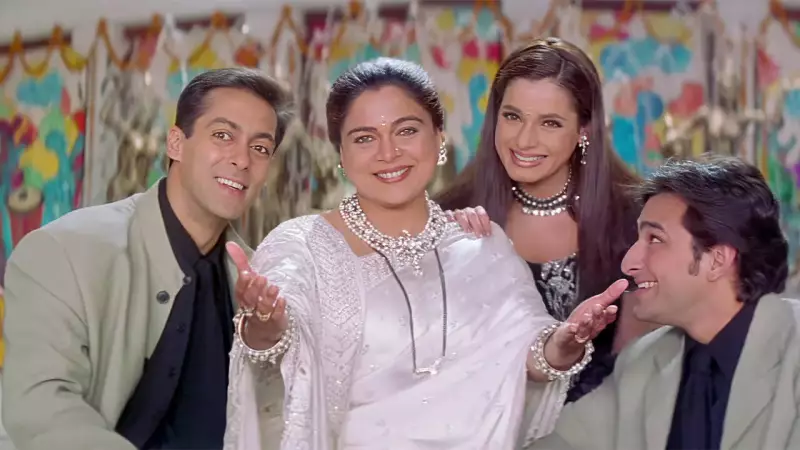
In the vast tapestry of Bollywood storytelling, few themes resonate as deeply as the complex dynamics of family and love. These narratives often go beyond simple romance, delving into the profound courage and sacrifice required to sustain relationships. Films like Hum Saath Saath Hain, Baghban, and Kabhi Alvida Naa Kehna have become cultural touchstones, exploring the intricate balance between individual desire and collective responsibility.
The Pillars of Familial Unity and Sacrifice
Released in 1999, Hum Saath Saath Hain presents an idealized yet compelling portrait of a prosperous joint family. The film's core revolves around the harmony of the family unit, which is severely tested by external manipulation and internal misunderstandings. It beautifully portrays everyday cooperation, shared rituals, and traditions that bind generations together. The central conflict emerges from greed, which threatens to dismantle the trust carefully built over years. However, the narrative's resolution champions honesty, forgiveness, and the conscious choice to prioritize collective well-being over individual ambition. The film remains a classic lesson in unity and selflessness.
Moving to 2003, Baghban tackles a more somber and realistic familial challenge. It tells the heart-wrenching story of an elderly couple, abandoned by their own children after retirement. This film shifts the focus to dignity, marital devotion, and the often-unreciprocated sacrifices of parents. It critically examines shifting family dynamics in modern society, highlighting financial interdependence and emotional neglect. The unwavering love and patience between the spouses become their fortress. Baghban serves as a powerful social commentary, urging reflection on respect for elders, responsibility, and resilience against moral compromise.

Navigating Modern Complexities in Relationships
Karan Johar's 2006 film, Kabhi Alvida Naa Kehna, bravely ventured into the taboo subject of marital dissatisfaction and emotional infidelity. Set against the backdrop of urban life, it follows two unhappy spouses who find solace in each other, thereby challenging conventional notions of loyalty and social expectations. The film's strength lies in its refusal to glorify betrayal or offer simplistic moral judgments. Instead, it meticulously examines accountability, remorse, and personal growth. Its ultimate message underscores that honesty, communication, and taking responsibility are non-negotiable elements for preserving bonds amidst modern pressures.
Another seminal work, Kabhi Khushi Kabhie Gham (2001), explores family division rooted in pride, rigid traditions, and generational expectations. A patriarch's unwavering values lead to the estrangement of his adopted son, who chooses a love marriage. The film then charts a long journey towards reconciliation, driven by maternal compassion, unwavering sibling loyalty, and sheer perseverance. It creates a stark contrast between authoritarian rule and empathetic understanding, culminating in a celebration of forgiveness, sacrifice, and emotional courage. The resolution proves that acceptance and humble dialogue can heal the deepest of rifts without necessarily erasing tradition.
The Traditional Framework of Love and Commitment
Sooraj Barjatya's Vivah, also released in 2006, offers a gentler, more traditional perspective on love and family. It chronicles the journey of an arranged marriage, where love is not a sudden explosion but a gradual bloom. The couple builds trust through patient conversation, shared values, and the guidance of their families. The narrative truly tests this budding devotion when unforeseen adversity strikes, challenging their sense of duty and perseverance. Vivah highlights consent, dignity, and emotional maturity, portraying love as a steady, selfless commitment rooted in mutual respect rather than fleeting passion. It reinforces the idea that cultural rituals and personal choice can coexist harmoniously.

These five films—Hum Saath Saath Hain (1999), Baghban (2003), Kabhi Khushi Kabhie Gham (2001), Kabhi Alvida Naa Kehna (2006), and Vivah (2006)—collectively form a rich dialogue on the Indian family ethos. They remind audiences that the strongest familial and romantic bonds are not forged in perfect harmony but are tested and strengthened through trials. They teach that love, in its truest form, often demands the courage to forgive, the strength to persevere, and the willingness to sacrifice for the greater good of the relationship. Decades after their release, these stories continue to resonate because they mirror the eternal conflicts and triumphs inherent in every family.