From Grocery Bagger to Global Icon: Bad Bunny's Historic Grammy & Super Bowl Journey
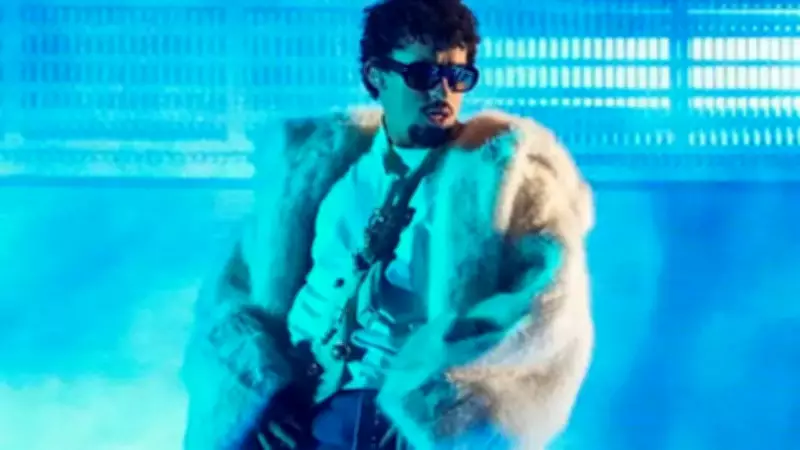
A decade ago, Bad Bunny was working as a grocery bagger in Puerto Rico, a humble beginning that starkly contrasts with the astronomical fame he commands today. His bestselling albums, last year's monumental concert residency in Puerto Rico, and an endless string of smashed records are merely the foundation of an extraordinary career. On Sunday, the artist born Benito Antonio Martinez Ocasio could make Grammy history, followed by a week later taking the world's most visible stage as the Super Bowl halftime performer.
Grammy Nominations and Historic Significance
Bad Bunny is in the running for six prizes at the Grammy Awards, including the night's most prestigious Album of the Year award. His acclaimed album "Debi Tirar Mas Fotos" is just the second Spanish-language record ever nominated for this coveted Grammy, with the first also being his own "Un Verano Sin Ti" in 2022. A win would be historic, but the nominations themselves are deeply meaningful, as it's the first time work in Spanish has been simultaneously recognized for best album, best record, and best song.
Petra Rivera-Rideau, an American studies professor at Wellesley College specializing in Latin music and racial politics, emphasizes the poignancy of Bad Bunny's success amid President Donald Trump's hardline immigration crackdown targeting Latinos. "We have ICE raids, we're watching videos every day of people being profiled for speaking Spanish, whether or not they're US citizens," Rivera-Rideau told AFP. "The current political moment just kind of ups the ante of what is already a profoundly significant thing."

Roots and Political Resonance
Bad Bunny, 31, grew up near Puerto Rico's capital San Juan, honing his vocal skills in a church children's choir before developing into a pre-teen who loved creating beats on his computer. He went viral on the DIY platform SoundCloud, launching his rapid ascent to global music stardom. Despite his fame, he remains firmly rooted in his heritage, with his presence at events like the Grammys and Super Bowl being "deeply political," according to historian Jorell Melendez-Badillo.
As a US citizen from Puerto Rico, a Caribbean territory under US control since 1898, Bad Bunny is also a colonial subject, a reality explored in his music. His commitment to singing in Spanish in an industry that has historically marginalized Latino voices makes his success emblematic. Melendez-Badillo notes that language has become "coded for the broader sort of racialized understandings of immigrants and immigration... this sort of nationalist idea of who gets to belong in the United States."
Multi-Generational Appeal and Grammy Voting Changes
Since 2000, the Latin Recording Academy has celebrated Spanish- and Portuguese-language music at the Latin Grammys, while the Grammys also honor Latin music in specific categories. Both are important for representation but have sometimes enabled voters to overlook Latin music's mainstream popularity. This year, Latin Recording Academy voters are eligible to vote for main Grammy winners, aiming for a more globally representative pool, which could benefit artists like Bad Bunny.
However, Rivera-Rideau points out complexities, noting that much like Grammy voters long overlooked hip-hop, Latin Grammy voters have sidelined genres like reggaeton and Latin trap, which Bad Bunny popularized. His latest album's multi-generational appeal might improve its chances, as it is "more digestible" to Grammy voters.
Super Bowl Halftime Show and Global Impact
One week after the Grammys, Bad Bunny will headline the Super Bowl halftime show, a milestone that has sparked debate, especially among conservatives over the "woke" choice. The Super Bowl is among the world's top broadcasts, and its halftime show is reserved for massive stars, a bill Bad Bunny clearly fits. Melendez-Badillo explains, "The NFL wants to go global... Benito sells tickets. Benito draws crowds."

Bad Bunny's popularity across the United States, home to one of the largest Spanish-speaking populations globally, makes his participation in this cultural touchstone incredibly meaningful. Rivera-Rideau adds, "In that context, it's just incredibly meaningful," highlighting how his journey from humble beginnings to global stages resonates deeply in today's socio-political landscape.