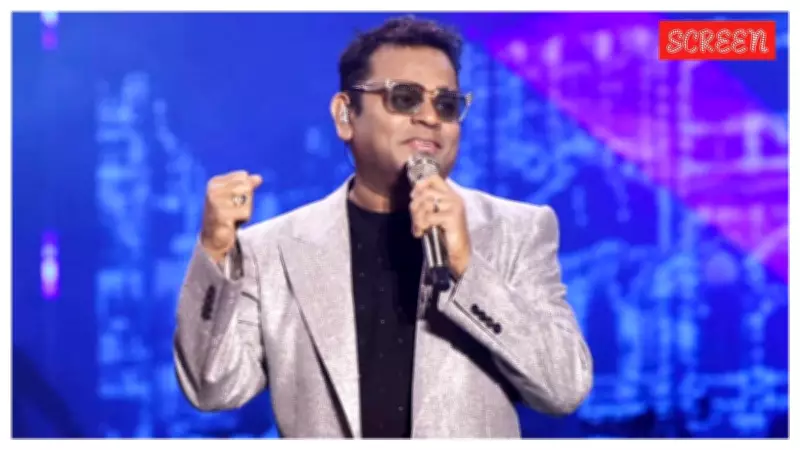
AR Rahman Reflects on Message Corruption During The Great Indian Kapil Show Appearance
Oscar-winning music composer AR Rahman made a notable appearance on the popular Netflix program The Great Indian Kapil Show, hosted by comedian Kapil Sharma. During the episode, which aired recently, Rahman participated in promotional activities for his latest cinematic project, the silent film Gandhi Talks, directed by Kishor Pandurang Belekar.
The Whisper Game as a Metaphor for Global Miscommunication
Rahman drew a compelling parallel between a segment of the show and real-world communication challenges. He observed that the whisper game, a classic entertainment activity where messages are passed along in a chain, effectively demonstrates how information can become distorted during transmission. "This is a good exercise to see how information gets misunderstood. Different states, different cultures. The problem with the world is this, how messages get corrupted on the way," remarked the renowned composer. This insightful comment comes in the wake of recent controversies where Rahman's own statements were subject to misinterpretation, highlighting the pervasive issue of message corruption in today's interconnected society.
Promoting Gandhi Talks: A Celebration of Music in Silence
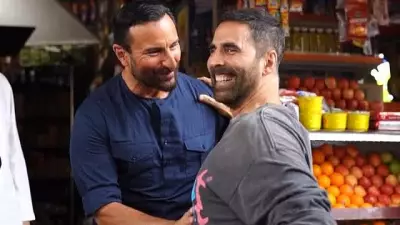
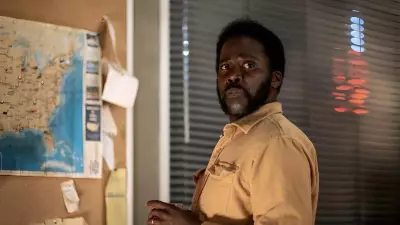
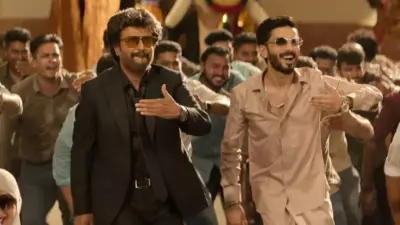
Accompanied by the film's cast, including actors Vijay Sethupathi, Aditi Rao Hydari, and Siddharth Jadhav, Rahman discussed the unique aspects of Gandhi Talks. He emphasized that the absence of dialogues in the film presents both an opportunity and a challenge for a composer. "If there are no dialogues, it's such a celebration of music. Because you have all the real estate to do music, but also terrifying because people will be judging. Every note will be exposed," he explained. Rahman also praised director Kishor Pandurang Belekar for his supportive approach, noting that Belekar is the first filmmaker to never criticize his compositions. "He's the first director who never came and told me anything negative and said, 'I don't like this.' Whatever I give, he takes it. Even if I play 'tang', he would say yes," quipped the Oscar-winning artist.

Reflections on Industry Dynamics and Personal Evolution
In broader discussions, Rahman opened up about his experiences in the film industry over the past several years. He revealed that around 2019, he faced a period where filmmakers would nostalgically praise his older works, such as the iconic album from Roja (1992), which inadvertently made him question the quality of his current output. "They come and gaslight you. They say, 'In the '90s, you did Roja. That's very good music, sir!' That feels like now, you're not doing good music, right? It actually harms your thinking if you're not in your best mood," confessed Rahman. This prompted him to undertake a prolific phase, working on 20-30 movies in the last six years to evolve artistically and rebuild his confidence.
Additionally, Rahman touched upon perceived shifts in the Hindi film industry, suggesting that a "power shift" has occurred, with non-creative individuals gaining influence. He mentioned that this might have communal undertones, though he clarified that such issues are not directly confronted by him but rather come through indirect channels. These remarks had previously sparked discussions, leading Rahman to offer clarifications to address misunderstandings.
Overall, AR Rahman's appearance on The Great Indian Kapil Show provided a platform for him to share profound insights on communication, creativity, and the evolving landscape of Indian cinema, all while promoting his innovative project Gandhi Talks.