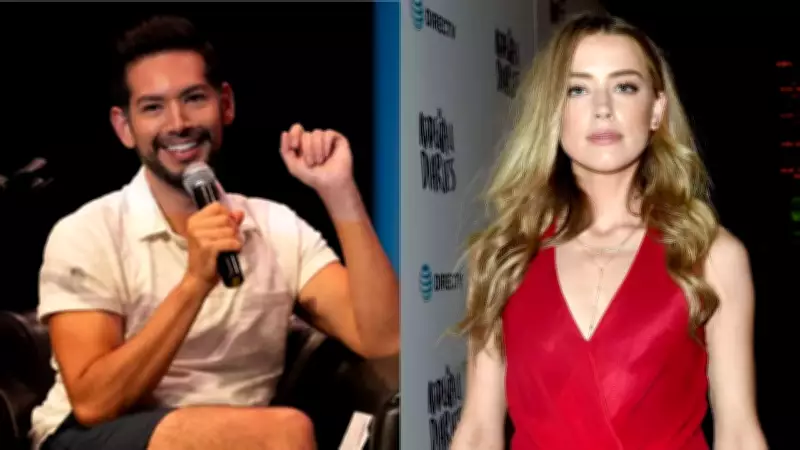
Amber Heard's Documentary Silenced Reignites Public Debate After Sundance Premiere
Amber Heard has returned to public attention, but this time the focus is cinematic rather than legal. Her newly released documentary, Silenced, which made its world premiere at the prestigious Sundance Film Festival, has unexpectedly revived conversations that many assumed were concluded years ago.
A Documentary That Challenges Rather Than Revisits
Silenced does not merely offer a quiet reflection on past events. Instead, it boldly interrogates the complex intersection of public opinion, legal frameworks, and digital commentary when sensational allegations dominate media cycles. Directed by Selina Miles, the film positions Heard's personal experiences within a broader examination of defamation laws and the immense pressures faced by women who speak out about abuse publicly.
The documentary features Heard alongside legal scholars and other women who have endured lawsuits or severe public backlash, shifting emphasis from individual vindication to highlighting systemic issues within society.

Immediate and Polarized Reactions Emerge
The response to the documentary's premiere was swift and deeply divided. As clips and discussions from Silenced spread across online platforms, entertainment commentator Zack Peter emerged as one of its most vocal critics. His sharp rebuttal injected new energy into an already volatile debate, redirecting attention from the film's content to the wider cultural implications of Heard's ongoing presence in public discourse.
Zack Peter's Blunt Social Media Critique
Zack Peter did not mince words when addressing Amber Heard directly on social media. "You were exposed as a fraud, that's what happened. The world isn't just silencing you because we hate women. I don't even hate you Amber Heard, I really don't. I am just disappointed that women like you exist," he stated emphatically.
Peter further connected the documentary's narrative to larger discussions about power dynamics and accountability, arguing, "You set the stage for people like Blake Lively to come forth and push forth her own allegations and argue that there was a power imbalance, when all the evidence coming out is now showing us the exact opposite."
Heard's Reflections on Resilience and Sacrifice
Within the documentary, Amber Heard shares poignant reflections on perseverance and hope for the future. She tells filmmakers, "It gives me strength seeing other people take on the fight. Women brave enough to address the imbalance of power. Looking at my daughter’s face as she grows up and slowly starts to walk into this world … I believe it can be better."
Heard also candidly acknowledges the profound emotional toll of enduring years under intense public scrutiny. "This is not about me. I have lost my ability to speak. I am not here to tell my story. I don’t want to tell my story. In fact, I don’t want to use my voice anymore. That’s the problem," she reveals, highlighting the personal cost of her public battles.
A Nation Divided on Narrative and Closure
While Silenced consciously avoids retrying old legal verdicts, reactions like Zack Peter's underscore how fractured public sentiment remains regarding Heard's story. For some viewers, the documentary represents a crucial and necessary conversation about justice and media influence. For others, it is perceived as an unwelcome and unnecessary reopening of a chapter they believe had already reached its definitive conclusion.
The premiere of Silenced at Sundance has proven that the narratives surrounding Amber Heard are far from settled, continuing to spark vigorous debate about truth, representation, and the court of public opinion in the digital age.