Aditya Pancholi Confronts Bollywood's Unfair Scrutiny in Candid Interview
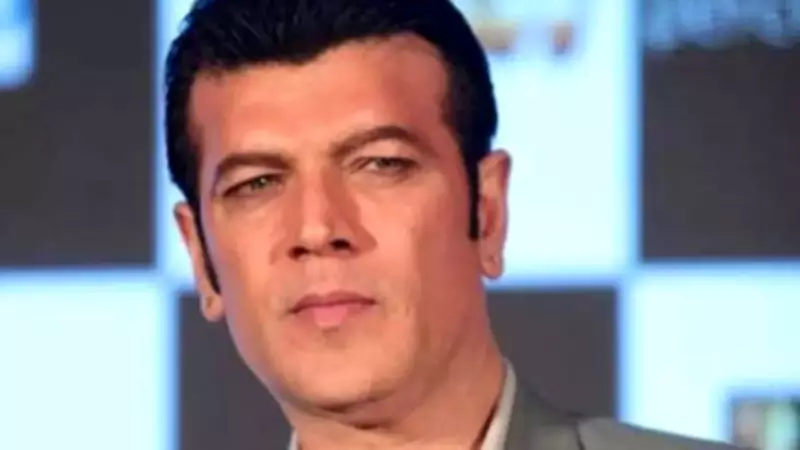
In a rare and honest throwback interaction, veteran actor Aditya Pancholi has opened up about the persistent rumours, labels, and intense scrutiny that have shadowed his career for decades. Speaking with remarkable candour, the actor addressed how narratives are frequently constructed around him without proper context, questioning why his actions are magnified and judged far more harshly compared to others in the film industry.
Challenging Industry Double Standards
During his appearance on the popular interview show 'Aap Ki Adaalat', Pancholi directly confronted the widespread misconceptions surrounding both his personal and professional life. He called out what he perceives as blatant double standards within Bollywood, stating emphatically, "Mera baap koi star nahi hai, main kisi star ka beta nahi hoon, iska matlab yeh nahi ki main koi nahi hoon" (My father is not a star, I am not a star's son, but that does not mean I am a nobody). This powerful statement highlights his frustration with how industry insiders from non-film backgrounds often face disproportionate criticism.
The actor went further to illustrate this disparity by comparing how similar behaviours are perceived differently depending on who is involved. "Koi doosra karta hai toh woh baba hai, bhola hai, aur jab Aditya Pancholi karta hai toh Dawood Ibrahim" (When someone else does it, they are called innocent or naïve, but when Aditya Pancholi does it, he is labelled Dawood Ibrahim). Expressing deep frustration at what he considers exaggerated accusations, he added pointedly, "Mere upar koi danga case chal raha hai? Maine kisi masoom bebas jaanwar ki hatya ki hai?" (Is there a riot case against me? Have I killed some innocent, helpless animal?)

Acknowledging Mistakes Without Accepting Demonisation
Pancholi did not shy away from admitting his own imperfections. Instead, he chose honesty over defensiveness, stating, "Jabse main film industry mein aaya hoon, maana maine bohot galat kaam kiye hain, aur har aadmi karta hai" (Since I entered the film industry, I admit I've made many mistakes, like every human being does). For him, acknowledging personal flaws should not justify being turned into a villain through baseless rumours and sensationalised media coverage.
Highlighting how unfounded allegations are often normalised in public discourse, Pancholi remarked, "Ilzaam toh kuch bhi laga sakte ho… main keh doon ki aap Osama bin Laden ke aadmi ho, toh kya aap ban jaayenge?" (Anyone can make accusations… if I say you work for Osama bin Laden, does that make it true?) This rhetorical question underscores his argument about the dangerous ease with which false narratives can be constructed and believed.
Defending Family from Targeted Attacks
Aditya Pancholi also addressed deeply personal attacks aimed at his wife, acclaimed actor Zarina Wahab, pointing out how religion was unfairly dragged into malicious narratives. "Meri biwi 17 saal ki umar se film industry mein kaam kar rahi hai" (My wife has been working in the film industry since she was 17). He continued with evident distress, "Muslim aurat hone ki wajah se likha gaya ki woh Dawood Ibrahim ko rakhi baandhti hai" (Because she is a Muslim woman, it was written that she ties rakhi to Dawood Ibrahim), calling such claims not only absurd but deliberately malicious.
Reflections on Power, Truth, and Public Perception
Concluding his remarks, Pancholi reflected thoughtfully on the dynamics of power, truth, and perspective within the entertainment industry and media landscape. "Mumbai ki police agar chaahe, toh main kya cheez hoon, woh Dawood Ibrahim ko bhi pakad ke laa sakti hai" (If the Mumbai police want to, I am insignificant; they can even bring Dawood Ibrahim). Drawing a sharp contrast between his public image and personal reality, he added poignantly, "Angry young man dekhiye aur meri haalat dekhiye" (Look at the 'angry young man' image and then look at my real condition).

Aditya Pancholi's Bollywood Journey
Aditya Pancholi has established himself as a prominent figure in Indian cinema since the late 1980s, primarily known for playing intense villainous and character roles across numerous films. His extensive filmography includes notable performances in:
- 'Yes Boss' (1997)
- 'Race 2' (2013)
- 'Bajirao Mastani' (2015)
- 'Jai Ho' (2014)
- 'Bodyguard' (2011)
His career trajectory spans from early roles in 'Qatil' (1988) to later appearances in 'Dishkiyaoon' (2014), showcasing his versatility and enduring presence in the industry despite the controversies that have often surrounded him.