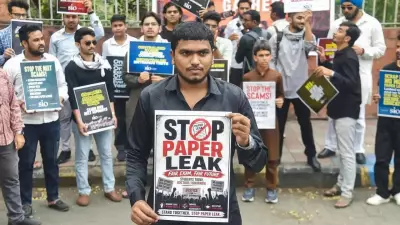
Panjab University has ignited a firestorm of protest across its Chandigarh campus following a controversial decision to restrict access to university facilities for students from other educational institutions. The new directive, which labels non-PU students as 'outsiders,' has triggered widespread anger and organized demonstrations from the student community.
The Controversial 'Outsider' Directive
The university administration issued a circular that effectively bars students from colleges not affiliated with Panjab University from using key campus facilities. The restrictions specifically target hostel accommodations, library access, and sports facilities, creating what students are calling an 'unwelcome environment' for academic collaboration.
According to the new rules, students from other universities and colleges will no longer be permitted to stay in PU hostels or utilize the extensive library resources that have traditionally been accessible to the broader academic community. The sports grounds and other recreational facilities have also been placed off-limits to these so-called 'outsiders.'

Student Outrage and Organized Protests
The decision has met with immediate and fierce resistance from student organizations across campus. Multiple student groups have united in condemnation of the policy, arguing that it undermines the very spirit of academic exchange and cooperation that universities should champion.
Protests have been organized at strategic locations throughout the university, with students gathering to voice their opposition to what they perceive as an exclusionary and regressive policy. The demonstrations have been largely peaceful but passionate, reflecting the depth of feeling among the student body about this issue.
Student leaders have been particularly vocal in their criticism, pointing out that Panjab University has historically served as a hub for higher education in the region, welcoming students from various backgrounds and institutions. They argue that the new restrictions represent a fundamental shift away from this inclusive tradition.
Broader Implications for Academic Community
The controversy extends beyond immediate campus concerns, touching on larger questions about the role of universities as centers of learning and cultural exchange. Many see the decision as creating artificial barriers within the academic ecosystem of Chandigarh and the surrounding region.
Critics of the policy emphasize that restricting access to educational resources contradicts the principles of knowledge sharing that form the foundation of higher education. The library restrictions, in particular, have drawn criticism for limiting access to valuable academic resources that could benefit students from smaller institutions with fewer resources.
The hostel restrictions also raise practical concerns for students who travel to Panjab University for academic events, conferences, or collaborative projects. Without affordable accommodation options on campus, many fear that valuable academic exchanges will be curtailed.
As the protests continue to gain momentum, the university administration faces mounting pressure to reconsider the controversial directive. Student organizations have made it clear that they will continue their demonstrations until the policy is revoked, setting the stage for a prolonged confrontation over the future of campus access and academic inclusivity at one of northern India's premier educational institutions.