Osmania University Women's Hostel Protest Over Neglected Facilities
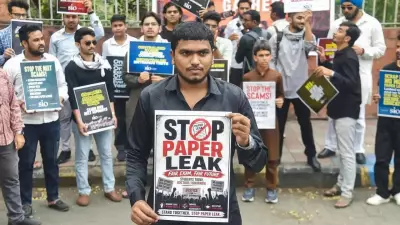
In a significant display of student activism, more than 200 residents of the Osmania University women's hostel organized a protest on campus, alleging persistent negligence by the hostel administration in resolving long-standing issues. The demonstration, which saw around 50 male students joining in solidarity, highlighted growing frustrations over inadequate basic amenities and restrictive policies.
Core Complaints and Student Demands
The protesting students presented a detailed list of grievances, emphasizing that several essential facilities in the hostel remain severely inadequate. Key issues include insufficient lighting in common areas and corridors, a lack of proper sinks and washrooms that compromises hygiene, and an insufficient number of tables in the dining hall, leading to overcrowding during meals.
Additionally, students raised concerns about strict visitation rules, alleging they are not permitted to meet their parents outside of designated visiting hours, which they describe as overly restrictive and insensitive to family needs. According to the protesters, multiple written complaints have been formally submitted to university authorities over the past months, yet no concrete action has been taken to address these problems.

"We have been raising these concerns for months, but nothing has changed. We are only asking for basic facilities and reasonable consideration," stated Satya, one of the students leading the protest. This sentiment echoes widely among the hostel residents, who feel their voices are being ignored despite repeated appeals.
Administration's Response and Rule Conflicts
In response to the allegations, hostel director K Laxmi acknowledged the protest but clarified that some student demands conflict with established hostel rules and safety protocols. "They want to stay out past midnight and they want us to allow their parents to stay on the premises. These rules were explained to them before they were admitted, and they agreed to adhere to them," she explained.
Laxmi further emphasized that while the administration is open to examining and improving facility-related issues, such as lighting and dining arrangements, it cannot compromise on rules designed to ensure student safety. "We are willing to look into legitimate concerns about facilities, but we cannot permit anything that might endanger the students or violate agreed-upon regulations," she added, underscoring the balance between accommodation and adherence to policy.
Broader Implications and Student Solidarity
The protest has drawn attention to broader issues of student welfare and administrative responsiveness in educational institutions. The participation of approximately 50 male students in support of the women residents highlights a united front, with calls for more transparent communication and timely resolutions.
As the situation unfolds, students continue to advocate for:
- Immediate upgrades to lighting, washrooms, and dining facilities.
- Revised visitation policies to allow more flexible family interactions.
- A formal mechanism for faster grievance redressal from university authorities.
This incident underscores the ongoing challenges in hostel management and the need for collaborative solutions that prioritize student well-being while maintaining institutional standards. The outcome of this protest may set a precedent for how similar issues are handled in campuses across the region.