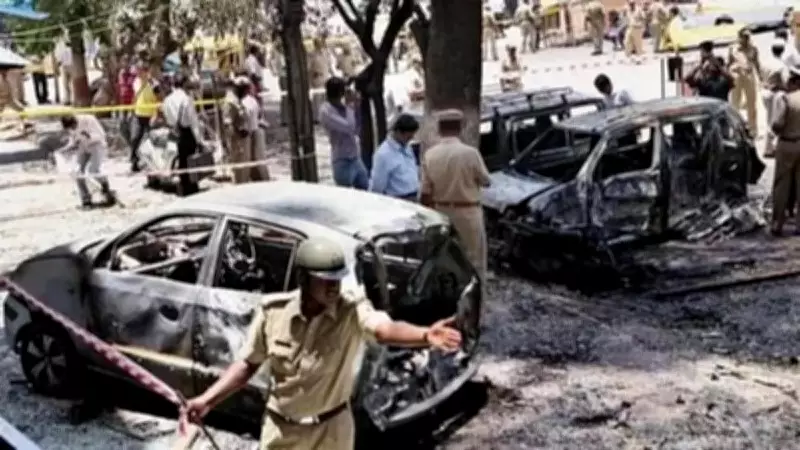
The Bombay High Court's recent decision to discharge all accused in the 2008 Malegaon blast case has cast a shadow over the investigation and prosecution. The court's order, delivered on 24 April 2026, raises critical questions about the evidence presented and the conduct of the investigating agencies.
Case Background
The Malegaon blast, which occurred on 29 September 2008, claimed several lives and injured many. Over the years, the case saw multiple twists and turns, with accusations of a flawed investigation. The Bombay High Court, after a thorough review, found the evidence insufficient to proceed with the trial.
Key Observations
- The court noted significant discrepancies in the prosecution's case, including lack of credible eyewitness accounts and forensic evidence.
- It highlighted that the investigation appeared to be biased and lacked thoroughness, with key leads not pursued.
- The judges observed that the accused had been subjected to prolonged incarceration without substantial proof of their involvement.
Legal Implications
This discharge order is a significant setback for the prosecution, which had built its case on alleged confessions and circumstantial evidence. Legal experts point out that the judgment underscores the need for robust and impartial investigations in sensitive cases.

Reactions
Families of the victims expressed disappointment, while the accused and their families welcomed the decision. Civil rights groups have called for a review of the investigation protocols to prevent similar failures in the future.
The Bombay High Court's judgment serves as a reminder that the pursuit of justice must be based on credible evidence, not assumptions or external pressures.