









Politics

Bokaro Man Axe Kills Wife Over Visiting Parents, Arrested
A 25-year-old woman was allegedly murdered by her husband with an axe in Bokaro's Pindrajora area over visiting her parents. Police arrested the accused and recovered the weapon.





World

Jaishankar Meets UNGA President, Discusses Reforms and Global Challenges
External Affairs Minister S Jaishankar met UNGA President Dennis Francis in New Delhi to discuss UN reforms, global challenges, and India's role in the Global South.



Entertainment

Melania Trump Rebukes Jimmy Kimmel Over 'Expectant Widow' Joke
First Lady Melania Trump and President Trump criticized Jimmy Kimmel for a joke about her looking like an 'expectant widow,' calling it cruel and irresponsible.



Business

Sensex drops 417 pts, Nifty ends below 24,000 amid oil price surge, FII outflows
Benchmark indices Sensex and Nifty ended lower on Tuesday as rising crude oil prices and continued foreign fund outflows dampened investor sentiment. Brent crude jumped nearly 3% to $111.4 per barrel.







Lifestyle





Technology

AI Fears Drive College Students to Change Majors
Many college students are switching majors due to AI concerns, focusing on critical thinking and interpersonal skills over technical skills that can be automated.

Call of Duty Director Berg Under Fire for 2013 Gaming Remarks
Director Peter Berg's 2013 comments calling war video games 'pathetic' resurface as he helms the Call of Duty film adaptation, sparking fan debate.

Kedman Global Enhances Personalized Learning in Indian Schools
Kedman Global expands personalized learning solutions across Indian schools, leveraging AI and adaptive technology to tailor education to individual student needs.

Samsung Galaxy Glasses Leak: Ray-Ban Meta Style with Gemini AI
Leaked details of Samsung's upcoming Galaxy Glasses show a design inspired by Ray-Ban Meta, integrating Google's Gemini AI for smart features. Expected launch in 2026.
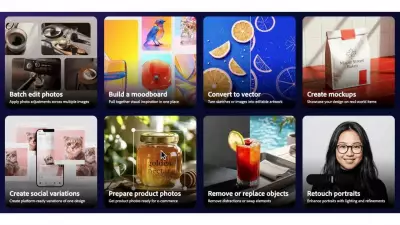
Adobe Firefly AI Assistant Now in Public Beta
Adobe's Firefly AI Assistant is now available in public beta, enabling users to create and edit content across Creative Cloud apps using natural language prompts.
