Efforts to establish institutional safeguards against caste-based discrimination in Indian higher education have encountered a significant legal obstacle, leading to renewed campus mobilization. The UGC Equity Regulations 2026, designed as a comprehensive mechanism to enhance accountability and protect marginalized students, are currently suspended following a judicial stay order.
What Are the UGC Equity Regulations 2026?
The UGC Equity Regulations 2026 represent a policy framework specifically created to address caste and identity-based discrimination within universities and colleges across India. These regulations aim to strengthen institutional accountability while establishing concrete safeguards for students belonging to Scheduled Castes (SC), Scheduled Tribes (ST), and Other Backward Classes (OBC).
Student activists describe these regulations as the culmination of years of sustained campus movements and mobilization. According to reports, protesters emphasize that these guidelines are not merely procedural adjustments but essential protections intended to ensure proper redressal mechanisms and institutional responsibility in discrimination cases.

Delhi University Campus Erupts in Protest
The immediate catalyst for campus demonstrations was the judicial stay on implementing the equity regulations. Students argue that this pause has effectively delayed a framework many believed would bring stronger oversight and protection against discrimination in educational institutions.
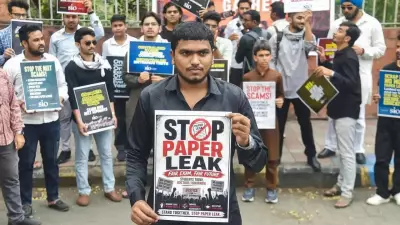
On Tuesday, hundreds of students marched through Delhi University's North Campus under the banner of an Equity March, demanding immediate implementation of the suspended regulations. The protest, organized by the All India Students' Association (AISA) alongside other student groups, featured participants carrying placards and raising slogans as they passed through key campus locations.
The demonstration culminated in a public meeting where speakers described the judicial stay as a significant setback in efforts to secure meaningful safeguards for marginalized students. Former JNUSU president Nitish addressed the gathering, noting that the regulations resulted from years of struggle and called for their full implementation without further delay.
Reviving the Demand for Rohith Act Legislation
The protest also revived longstanding demands for central legislation often referred to as the Rohith Act. The proposed Rohith Vemula Act seeks to establish a national legal framework specifically designed to prevent caste and identity-based discrimination within higher education institutions across India.
This proposed legislation is named after Rohith Vemula, a University of Hyderabad research scholar who died by suicide in 2016 amid allegations of caste-based discrimination. Protesters connected the current regulatory framework to broader demands for statutory backing, arguing that anti-discrimination safeguards require legal force to be truly effective.
What Comes Next for Equity Safeguards?
Currently, the judicial stay means the UGC Equity Regulations 2026 remain in legal limbo. Student groups have characterized Tuesday's march as a warning against any dilution or postponement of equity measures in higher education.
The public meeting concluded with calls for continued mobilization until the regulations are implemented and receive proper statutory backing through legislation. Organizers made clear that agitation would persist if no progress occurs on this critical issue.
With the matter now entangled in legal proceedings and experiencing renewed campus mobilization, debates surrounding equity safeguards in Indian higher education appear poised to intensify significantly in the coming weeks and months.