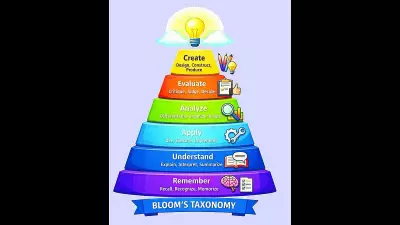
As the preschool start date approaches, countless parents find themselves grappling with familiar anxieties about their child's preparedness. Can my little one count to ten reliably? Do they recognize all the letters of the alphabet? Should they already be proficient with colors and basic shapes? These questions, while understandable, often dominate parental concerns.
We live in an era saturated with educational charts, social media reels showcasing "advanced" toddlers, and well-intentioned but sometimes overwhelming advice from various sources. This environment can inadvertently transform early learning into a competitive race, where academic milestones are mistakenly prioritized above all else.
The Teacher's Perspective: Human Skills First
However, when you engage experienced preschool educators in candid conversation, they present a strikingly different viewpoint. The most crucial prerequisites for preschool success have little to do with traditional academics. Instead, they emphasize the fundamental, everyday human competencies that enable a child to feel secure, remain curious, and navigate social environments without becoming overwhelmed.
Managing Separation with Resilience
This aspect is paramount. For numerous children, preschool represents their first consistent experience away from primary caregivers. Knowing the alphabet backward and forward provides minimal comfort if a child becomes inconsolable the moment their parent exits the classroom.
It's important to clarify that some tearful goodbyes are completely normal and expected. The key indicator is whether the child can eventually be soothed by another trusted adult or gradually calm themselves after the initial separation. Children who have had gradual, positive experiences away from home—whether through visits with grandparents, time with a familiar babysitter, or participation in brief playgroups—typically adapt more smoothly. They develop an internalized trust that caregivers return, a foundational security that far outweighs the importance of any pre-academic worksheet.
Expressing Basic Needs Effectively
Preschool readiness does not require fluent speech or an extensive vocabulary. What truly assists a child is the ability to communicate fundamental needs through any means available. Uttering single words like "toilet," "water," or "help," or even using clear gestures, can dramatically improve their daily experience.
Furthermore, receptive language skills are equally vital. When a teacher gives simple directives such as "Please come sit here" or "It's time to clean up," a child who can comprehend and follow these basic instructions feels more integrated and less disoriented. Miscommunications will inevitably occur—that's an inherent part of the learning process. However, establishing a basic channel of two-way communication builds a child's confidence and significantly reduces frustration for everyone involved.
Navigating Emotional Waves
The preschool environment is an emotional crucible, filled with excitement, jealousy, anger, overstimulation, and tears over shared toys. No young child navigates these waters perfectly.
The goal is not impeccable emotional regulation but the emergence of early coping mechanisms. Can the child wait briefly for a turn? Can they be gently redirected when upset? Do they accept comfort from an adult other than their parent? These competencies are invaluable.
A child who understands that feelings are temporary and acceptable tends to settle into the routine more effectively. This understanding often stems from caregivers at home who consistently name emotions: "You seem angry," "That looks frustrating," "It's okay to feel sad." These simple, repeated phrases plant the seeds for emotional literacy.
Foundational Independence in Routines
Preschool classrooms are bustling hubs of activity. Teachers cannot provide one-on-one assistance to every child simultaneously. Therefore, budding independence in daily routines offers tremendous practical benefits.
Skills like attempting to eat independently, washing hands with minimal help, trying to put on shoes, or managing clothing after using the toilet are immensely helpful. Mastery is not the expectation—spills, backward clothes, and messy attempts are all part of the journey. What matters most is the child's willingness to try. Encouraging self-sufficiency in small tasks fosters a sense of pride, which naturally translates into greater classroom confidence.
Early Social Navigation
Preschool is inherently social. Children are learning to share physical space, materials, and adult attention. A child does not need to enter preschool as an expert in sharing; that skill is developed there. However, prior exposure to peer interaction is beneficial.
Engaging in parallel play (playing beside others), practicing brief turn-taking, observing and imitating peers, and gradually learning that they cannot always have their way are all critical social lessons. These moments are challenging but rich with developmental opportunity. Children who have experienced play with others—at parks, family events, or casual playdates—often adjust more quickly because they have encountered and managed minor conflicts before.
Cultivating Curiosity and Comfort with Exploration
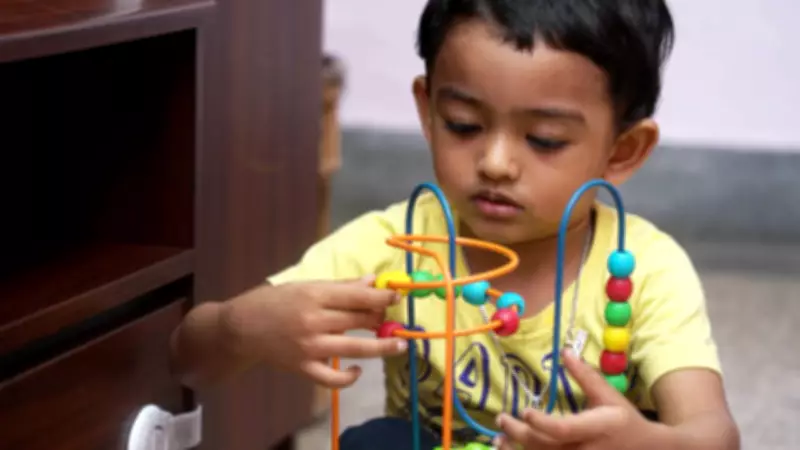
This element is frequently underestimated. Preschool involves sensory experiences like paint, glue, sand, water, noise, and organized chaos. A child who is encouraged to explore, touch different textures, and make manageable messes at home typically feels more at ease in such an environment.
Curiosity in young children is not about passive listening; it manifests through questioning, tactile exploration, and persistence after minor failures. Nurturing this inquisitive mindset lays a robust foundation for all future learning. So, if your child isn't reciting numbers yet but constantly asks "why" and delights in discovery, they are on an excellent path.
Ultimately, the objective before preschool begins is not to create a miniature scholar. It is to support a small human being—one who feels emotionally secure, can communicate their basic needs, and is beginning to learn how to coexist in a world filled with other people. Academic knowledge will follow in its own time, built upon this essential groundwork of social and emotional readiness.