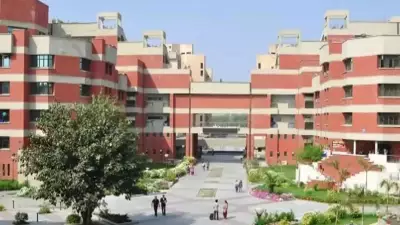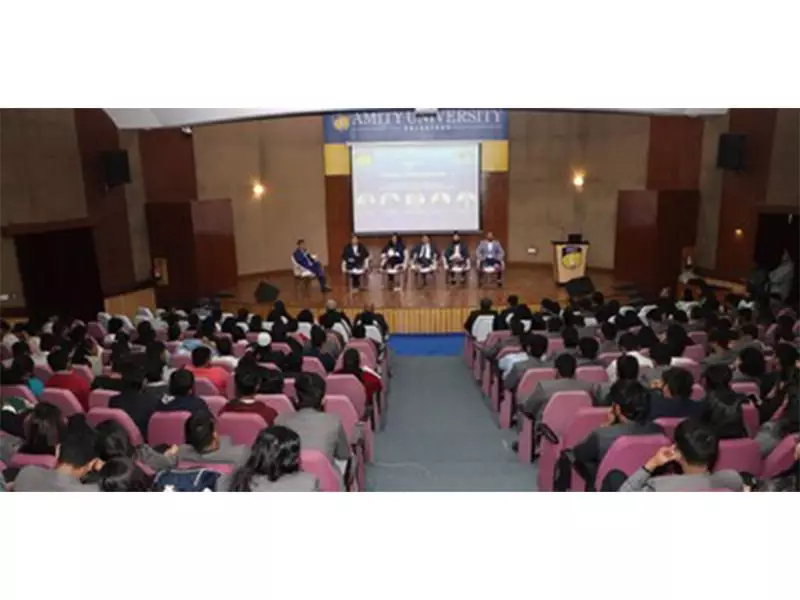
Amity University took a significant step towards narrowing the divide between higher education and the corporate world by successfully organizing the HR Conclave 2025. The event, held at the university campus, served as a dynamic platform for dialogue, bringing together seasoned human resources professionals, corporate leaders, and the student community. The central theme revolved around creating a robust and sustainable pipeline of talent equipped to meet the evolving demands of the global industry.
Forging the Critical Link: Dialogues and Discussions
The conclave featured an assembly of distinguished experts who shared their invaluable perspectives. The panel of speakers included notable figures such as Dr. Arup Kumar Dey, Director of HR at Coal India Limited, and Mr. Somesh Misra, Director of HR at Indian Oil Corporation Limited (IOCL). Their presence underscored the high-level industry engagement that the event fostered.
Discussions delved deep into the contemporary challenges and opportunities within the human resources landscape. A primary focus was on the identification of future-ready skills that graduates must cultivate to thrive in a competitive job market. The transformative impact of Artificial Intelligence (AI) and automation on HR processes was another critical area of exploration, with experts decoding how these technologies are reshaping recruitment, talent management, and employee engagement.

Beyond theoretical discourse, the conclave emphasized practical, actionable strategies for enhancing employability and career readiness. The dialogue provided students with a clear window into corporate expectations and the specific competencies valued by top-tier employers today.
Student Engagement and Leadership Insights
The event was orchestrated under the guidance of Dr. Balvinder Shukla, Vice Chancellor of Amity University, and Dr. Sanjeev Bansal, Dean of the Amity Business School (ABS). Their leadership highlighted the university's institutional commitment to ensuring its curriculum and initiatives remain aligned with industry脉搏.
Adding a unique and impactful dimension to the conclave was the active involvement of the student body. The event was meticulously coordinated by a team of dedicated MBA students from Amity Business School. This hands-on role provided them with unparalleled experiential learning in event management, professional networking, and stakeholder coordination—skills directly transferable to their future careers.
This student-led approach not only ensured the conclave's energetic execution but also demonstrated Amity's pedagogy of learning through real-world application. It allowed participants to directly interact with decision-makers, ask pertinent questions, and build professional connections that could pave the way for internships and placements.
Outcomes and the Path Forward for Academia-Industry Synergy
The HR Conclave 2025 successfully achieved its core objective of initiating a meaningful conversation about the symbiotic relationship between education and industry. The key outcomes and takeaways from the event are multifaceted and significant.
Firstly, it provided academia with direct feedback from the corporate sector on curriculum relevance, enabling educational institutions to tailor their programs more effectively. Secondly, it empowered students with foresight into emerging industry trends, allowing them to strategically upskill. Thirdly, for the corporate leaders, the conclave offered a firsthand look at the potential talent pool and a channel to influence its development.
The consensus that emerged pointed towards the necessity of such forums being a regular feature, not a one-off event. The conclave concluded with a reinforced commitment from both sides to continue collaborating. The path forward involves sustained partnerships, potential guest lectures, joint research projects, and structured internship programs that ensure the critical link between academia and industry becomes stronger, more efficient, and mutually beneficial in preparing a workforce for the challenges of 2025 and beyond.