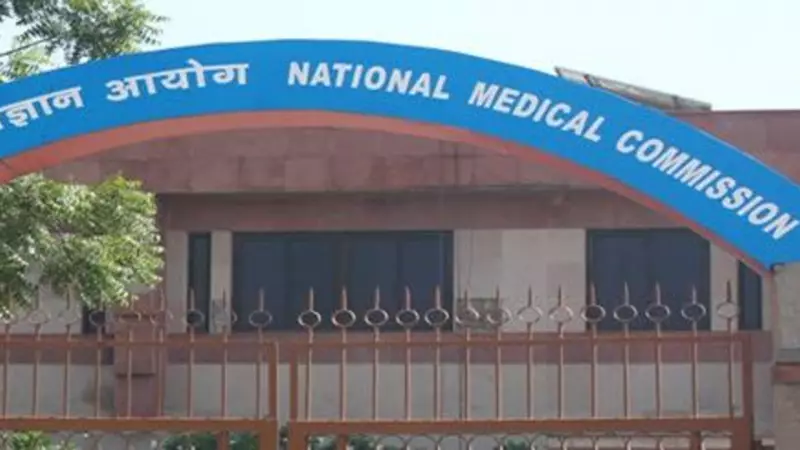
In a significant decision, the National Medical Commission (NMC) has provided crucial relief to thousands of Indian medical students who commenced their education overseas before a key regulatory change. The commission has clarified that students admitted to foreign pre-medical programs before November 18, 2021, will be governed by the older, more familiar rules.
Older Screening Test Rules Apply for Pre-2021 Batch
The NMC's clarification, issued through a corrigendum dated December 30, 2025, states that this specific group of students will be assessed under the Screening Test Regulations of 2002. This means they are exempt from the more stringent Foreign Medical Graduate Licentiate Regulations (FMGL) of 2021.
Consequently, these students can become eligible to practice medicine in India by clearing the Foreign Medical Graduate Examination (FMGE). The FMGE was the standard screening test required before the 2021 regulations came into effect. This pathway remains valid whether the initial BS or pre-medical course was undertaken online or in person, as long as the admission was secured before the FMGL, 2021 rules were enforced.

Mandatory Extra Internship Year for Clinical Exposure
However, the NMC has introduced one critical new requirement for these students. The corrigendum makes it mandatory to complete one additional year of internship in India. The commission justifies this stipulation as necessary to ensure that these graduates gain sufficient hands-on experience within the Indian healthcare system.
The extra internship year is designed to align their clinical skills and patient-care understanding with the specific standards and practices prevalent in Indian hospitals. This move aims to bridge any potential gap in practical training received abroad with the domestic medical environment.
A One-Time Exemption with Clear Boundaries
The NMC has explicitly underlined that this relaxation is a one-time exemption strictly limited to this particular cohort of students. It is not a permanent rollback of the 2021 regulations. The decision brings clarity and a defined pathway for students who were caught in a transition period between two different regulatory regimes, offering them a clear route to practice in their home country.
This development is expected to alleviate anxiety and uncertainty for many Indian families who have invested heavily in medical education abroad for their children, ensuring their years of study and financial investment are not rendered invalid by the newer rules.