The Jammu and Kashmir Students Association (JKSA) has made an urgent appeal to Prime Minister Narendra Modi, seeking his direct intervention to safeguard thousands of Indian medical students currently caught in the midst of escalating tensions and violence in Bangladesh.
An Urgent Plea for Protection
In a formal letter addressed to the Prime Minister on Monday, the student body highlighted the precarious situation faced by Indian nationals pursuing medical education in Bangladesh. The Association stressed the need for immediate action from the Indian government to ensure the security and well-being of these students as protests and incidents of violence, particularly in Dhaka and surrounding regions, create an atmosphere of fear and uncertainty.
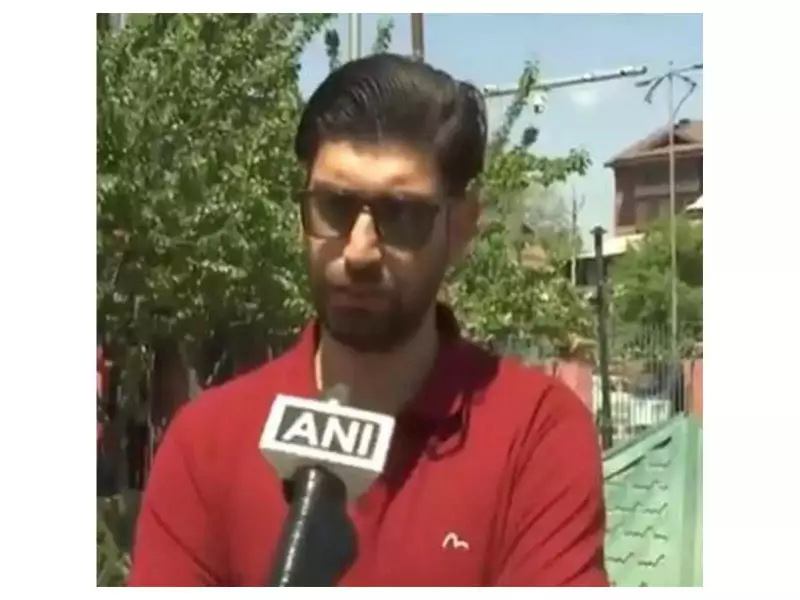
National Convenor of JKSA, Nasir Khuehami, revealed a startling figure: approximately 9,000 Indian students are enrolled in medical colleges across Bangladesh. Among them, over 4,000 hail specifically from the Kashmir Valley. This significant number underscores the scale of potential risk involved.

Disturbing Reports from the Ground
Khuehami shared alarming first-hand accounts received from students on the ground. "We have been told by students studying in Dhaka that they have been advised to hide their identity for their own safety," he stated, describing this directive as deeply disturbing and unacceptable for young Indians who traveled abroad solely for academic purposes.
The sense of alarm has been intensified by the reported death and lynching of a student leader in Bangladesh, an event that has sent shockwaves through the Indian student community and their anxious families back home. This incident has starkly underlined the grave risks present in the current environment.
Detailing the plight of the students, the Association explained that many are now confined to their hostels and accommodations. They face severe restrictions on movement, a pervasive lack of clarity about the situation, and a constant fear of being caught in violent clashes. This has left them feeling vulnerable and stranded.
Calls for Immediate Action and Possible Evacuation
The JKSA office has been inundated with distress calls and messages from both students and their families, who are living in a state of constant anxiety due to the rapidly deteriorating conditions. In response, the Association has outlined clear demands for the Indian government.
Khuehami urged the Prime Minister to direct the Ministry of External Affairs and the Indian High Commission in Dhaka to take up the matter urgently with the Bangladeshi government. The goal is to secure firm assurances for the security, dignity, and well-being of every Indian student.
Furthermore, the Association has proactively appealed for contingency plans. "If the situation of tension and violence continues or worsens, the Government of India should kindly consider making arrangements to evacuate and bring back Indian students safely to India," the letter states. They emphasized that such timely action would be crucial to prevent any untoward incident and to reassure worried families across India.
Expressing faith in the leadership, the JKSA noted that India has a strong history of standing by its citizens abroad during crises. They expressed confidence that every possible step would be taken to protect the students, who are future doctors destined to serve the nation. "Their safety must remain our highest priority," the Association concluded.