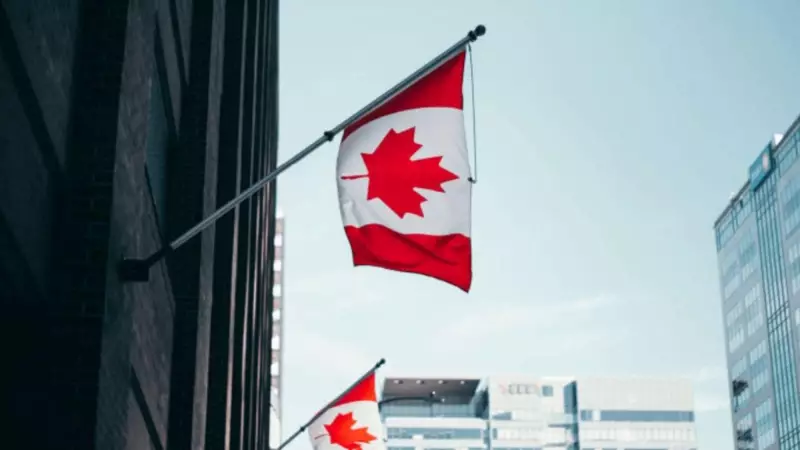
For many Indians, obtaining Canadian citizenship represents the culmination of a long journey—a gateway to global mobility, stability, and a high quality of life. The process, while detailed, is straightforward for those who meet the criteria and follow the steps meticulously. This comprehensive guide breaks down everything an Indian applicant needs to know, from eligibility to the final oath ceremony.
Eligibility Criteria: Are You Qualified to Apply?
Before starting your application, you must ensure you tick all the eligibility boxes set by Immigration, Refugees and Citizenship Canada (IRCC). The fundamental requirement is that you must be a permanent resident (PR) of Canada. Your PR status must not be under review for fraud or misrepresentation, and you must not be subject to a removal order.
A critical component is fulfilling the physical presence requirement. You need to have been physically present in Canada for at least 1,095 days (three years) within the five years immediately before you apply. This rule is strict, and only time spent as a permanent resident counts toward this total. Days spent in Canada as a temporary resident (like a student or worker) before becoming a PR may count for half a day, up to a maximum of 365 days, under specific conditions.

You must also have filed your income taxes for at least three years within the five-year period, if required under the Income Tax Act. Furthermore, you need to pass a citizenship test if you are between 18 and 54 years of age, demonstrating knowledge of Canada's rights, responsibilities, history, geography, economy, government, and laws. Proficiency in English or French is also mandatory, and you must provide acceptable language proof if you are in the 18-54 age bracket.
The Step-by-Step Application Process
The application process is largely digital and requires careful attention to detail. The first step is to download the application package from the official IRCC website. This package includes the checklist, the application form, and a detailed instruction guide. It is paramount to use the latest version of the forms, as outdated ones will be returned.
You will need to gather a host of supporting documents. The essential documents include:
- Clear photocopies of your permanent resident card (both sides).
- Copies of all passports or travel documents you held during your eligibility period.
- Proof of language proficiency (like IELTS or CELPIP test results).
- Two identical Canadian passport-sized photos.
- Proof of payment for the application fee.
- Any other documents listed on your specific checklist.
Once your application is complete, you must pay the fees. The total cost is $630 CAD for adults (18 and over), which includes a $530 processing fee and a $100 right of citizenship fee. For minors under 18, the fee is $100. Payment is made online, and you must include the receipt with your application package.
After submitting your application by post, you will receive an Acknowledgment of Receipt (AOR). You can then track your status online. The next stages involve attending a citizenship test (if applicable) and an interview with a citizenship official. The test is typically 30 minutes long, with 20 multiple-choice questions. You need to answer at least 15 correctly to pass.
After the Application: The Final Steps to Becoming Canadian
If you pass the test and interview, the final and most significant step is the citizenship ceremony. You will receive an invitation with the date and time. This ceremony is a legal requirement and a celebratory event. During it, you will take the Oath of Citizenship, pledging allegiance to the King of Canada and affirming your commitment to Canadian laws and values.
Immediately after taking the oath, you will receive your Canadian Citizenship Certificate. This document is your official proof of citizenship, and you can use it to apply for a Canadian passport. The entire processing time for citizenship applications can vary, but IRCC aims to process most applications within 15 to 21 months.

It is crucial to be aware of the rules regarding dual citizenship. Canada allows it, but India does not. This means that once you become a Canadian citizen, you will automatically lose your Indian citizenship under the Indian Citizenship Act, 1955. You would then need to surrender your Indian passport and apply for an Overseas Citizen of India (OCI) card to maintain certain benefits and a lifelong visa to visit India.
For Indian applicants, the path to Canadian citizenship is a structured journey of integration. By meeting the residency obligations, proving language skills, demonstrating knowledge of Canada, and finally taking the oath, you formally join the Canadian mosaic, gaining the rights and responsibilities that come with it.