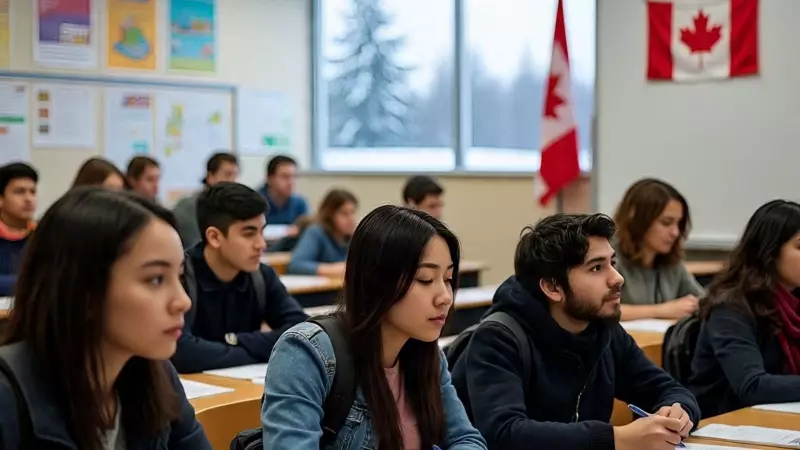
Canada's International Student Arrivals Plunge 97%: IRCC Data Reveals Record Low
In a startling development, Canada has experienced a dramatic 97% drop in international student arrivals, reaching a record low as per the latest data from Immigration, Refugees and Citizenship Canada (IRCC). This unprecedented decline marks a significant shift in the global education landscape, raising critical questions about the factors driving this trend and its implications for Canadian educational institutions and the broader economy.
Understanding the IRCC Data: A Closer Look at the Numbers
The IRCC data provides a comprehensive overview of the sharp decline in international student arrivals. The figures indicate that the number of new international students entering Canada has plummeted to levels not seen in recent years. This drop is particularly notable given Canada's previous reputation as a top destination for global students seeking quality education and post-graduation opportunities.
The data highlights several key points:

- A near-total collapse in new international student arrivals, with a 97% decrease compared to previous periods.
- The decline is widespread, affecting various provinces and educational institutions across the country.
- This trend contrasts sharply with historical patterns where Canada consistently attracted growing numbers of international students.
Potential Factors Behind the Record Low Arrivals
Several factors may have contributed to this significant downturn in international student arrivals. Understanding these elements is crucial for addressing the issue and potentially reversing the trend.
Key factors include:
- Pandemic Aftermath: The lingering effects of the COVID-19 pandemic continue to disrupt global travel and education plans, with many students still hesitant to study abroad.
- Policy Changes: Recent adjustments to immigration and student visa policies in Canada might have created uncertainties or barriers for prospective international students.
- Economic Considerations: Rising tuition fees and living costs in Canada could be deterring students from choosing Canadian institutions over more affordable alternatives.
- Competition from Other Countries: Other nations may be actively attracting international students with more favorable conditions, scholarships, or post-study work opportunities.
- Geopolitical Tensions: Ongoing international conflicts and diplomatic strains could be influencing student mobility and choice of study destinations.
Implications for Canadian Education and Economy
The sharp decline in international student arrivals carries significant consequences for Canada's education sector and overall economy. International students have traditionally been a vital source of revenue for universities and colleges, contributing to cultural diversity and filling skill gaps in the labor market.
Potential impacts include:
- Financial strain on educational institutions that rely heavily on tuition fees from international students.
- A reduction in cultural exchange and global perspectives within Canadian campuses.
- Possible long-term effects on Canada's ability to attract and retain skilled immigrants, as many international students transition to permanent residency.
- Negative repercussions for local economies that benefit from student spending on housing, transportation, and other services.
Looking Ahead: Strategies for Recovery
Addressing this record low in international student arrivals will require coordinated efforts from the Canadian government, educational institutions, and other stakeholders. Potential strategies to revive interest and attract students back to Canada include:
Possible measures:

- Reviewing and streamlining student visa processes to reduce delays and uncertainties.
- Enhancing scholarship programs and financial support for international students.
- Strengthening marketing and outreach efforts to highlight Canada's educational advantages and post-graduation opportunities.
- Collaborating with international partners to address barriers to student mobility and promote Canada as a safe and welcoming destination.
- Monitoring global trends and adapting policies to remain competitive in the international education market.
The 97% drop in international student arrivals serves as a wake-up call for Canada's education sector. While the immediate future may present challenges, proactive measures and strategic planning could help restore Canada's position as a leading destination for global students. The IRCC data underscores the need for ongoing analysis and responsive action to navigate this evolving landscape effectively.