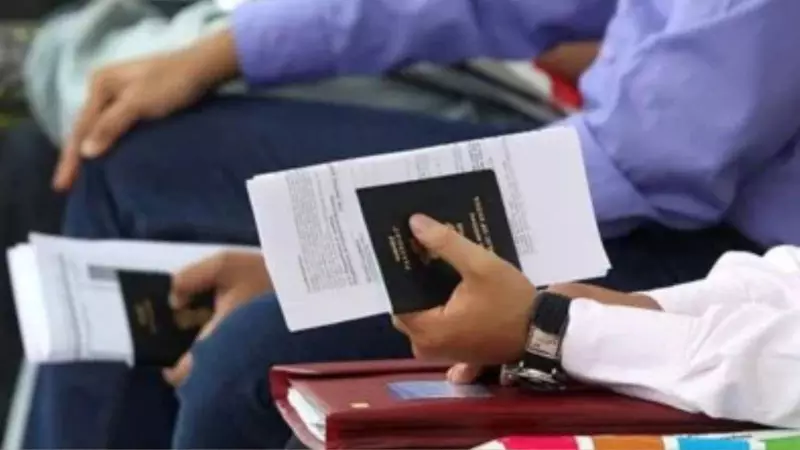
Canada is embarking on a significant overhaul of its immigration system, with a series of key changes set to be fully implemented by the year 2026. These reforms, announced by Immigration, Refugees and Citizenship Canada (IRCC), are designed to make the system more responsive to labour market needs and to enhance program integrity. For thousands of Indian nationals—who form one of the largest groups of newcomers to Canada each year—these upcoming shifts will have profound implications for study, work, and permanent residency pathways.
Major Policy Shifts on the Horizon
The Canadian government has outlined a multi-year plan to transform its immigration landscape. A central pillar of this transformation is the move towards a more "recognized employer" model for companies that hire temporary foreign workers. By 2026, the aim is to have this system fully operational, streamlining the process for trusted, repeat employers while strengthening oversight to protect workers' rights. This change could benefit Indian professionals seeking employment with established Canadian firms that have a proven track record of compliance.
Another critical change involves the Post-Graduation Work Permit (PGWP). Starting in fall 2024, as a stepping stone to the 2026 framework, graduates of certain college programs delivered under public-private partnership models will no longer be eligible for the PGWP. This directly impacts many Indian students who opt for such cost-effective study routes. By 2026, further refinements to PGWP eligibility are expected, potentially tying it more closely to programs that align with specific in-demand occupations in Canada's labour market.

Direct Impact on Indian Students and Workers
For the vast Indian student community aspiring to study in Canada, the road ahead requires more careful planning. The crackdown on PGWP eligibility for certain college programs means students must diligently research their chosen institution and course to ensure it still offers a clear path to post-study work experience. This work experience is often crucial for securing points for permanent residency later. The message is clear: the choice of program will become as important as the choice of country.
Simultaneously, the reforms to the Temporary Foreign Worker Program (TFWP) present a double-edged sword. The recognized employer model may expedite the process for Indians getting job offers from major, reputable companies. However, overall caps on the number of temporary residents—aiming to reduce the share from 6.2% to 5% of Canada's population over three years—mean increased competition. Work permits may become more scarce, pushing applicants to ensure their skills are in the highest-demand sectors.
Navigating the New Path to Permanent Residency
The cumulative effect of these changes will inevitably reshape the journey to Canadian permanent residence (PR). Programs like Express Entry are already evolving, with category-based draws targeting specific professions such as healthcare, STEM, trades, and transport. By 2026, this trend is likely to be more pronounced. Indian applicants with backgrounds in technology, engineering, healthcare, and skilled trades may find more targeted opportunities.
Conversely, those in general business or administrative fields might face a longer, more competitive path. The reduced avenues for obtaining initial work experience through certain study programs will also affect the Comprehensive Ranking System (CRS) score pool, as fewer candidates will have Canadian work experience to claim points for. This could elevate the importance of other factors like high language proficiency scores, overseas work experience, and provincial nominations.

The overarching goal of the 2026 changes is to create a more efficient, targeted, and fraud-resistant immigration system. For prospective Indian immigrants, this means the era of generalized applications is closing. Success will increasingly depend on strategic planning: selecting accredited educational programs in high-demand fields, securing job offers from recognized employers, and tailoring one's profile to meet the precise criteria of evolving economic immigration streams. While the path may become more structured and competitive, it remains a viable and sought-after destination for those who prepare effectively for the new rules.