The Enduring Power of Traditional Teaching Methods in Modern Education
In today's fast-paced digital world, where technology seems to dominate every aspect of life, there is a growing recognition of the enduring value of traditional teaching methods. As educators and policymakers grapple with the integration of new tools and approaches, old-school techniques like rote learning, direct instruction, and structured classroom environments are making a compelling comeback. This resurgence highlights a critical balance between innovation and time-tested practices that have shaped generations of learners.
Why Traditional Methods Remain Relevant
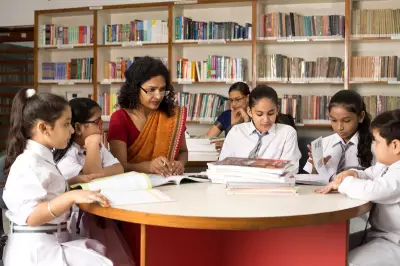
Traditional teaching methods, often characterized by memorization, repetition, and teacher-led lessons, provide a stable foundation for learning. In an age of information overload, these approaches help students develop core skills such as discipline, focus, and mastery of basic concepts. For instance, rote learning in subjects like mathematics and languages can enhance memory retention and build confidence, while direct instruction ensures clarity and reduces confusion in complex topics.
Moreover, these methods foster a sense of routine and structure, which is particularly beneficial in early education. By emphasizing fundamentals, traditional teaching prepares students for higher-level thinking and problem-solving, creating a solid base upon which modern, interactive methods can be layered. This synergy allows for a more holistic educational experience that caters to diverse learning styles.
Challenges and Criticisms in the Digital Age
Despite their advantages, traditional teaching methods face criticism in the context of contemporary education. Critics argue that over-reliance on memorization and passive learning can stifle creativity, critical thinking, and student engagement. In contrast, modern pedagogies promote collaborative projects, digital literacy, and personalized learning paths that adapt to individual needs.
However, the key lies in integration rather than replacement. Many educators are finding that blending old and new approaches yields the best outcomes. For example, using technology to supplement traditional lessons can make learning more dynamic without sacrificing the rigor of foundational knowledge. This balanced approach addresses the limitations of each method while leveraging their strengths.
The Global Perspective on Educational Evolution
Around the world, education systems are reevaluating the role of traditional teaching. In countries like India, where rote learning has long been a cornerstone, there is a push towards more experiential and skill-based education under initiatives such as the National Education Policy. Yet, the value of memorization in competitive exams and cultural contexts cannot be overlooked.
Similarly, in Western nations, there is a renewed appreciation for direct instruction and structured curricula, especially in response to learning gaps exacerbated by the pandemic. This global trend underscores a universal truth: effective education requires a flexible, adaptive framework that respects both heritage and innovation.
Looking Ahead: The Future of Teaching Practices
As we move forward, the debate between traditional and modern teaching methods is likely to continue, but the focus should shift towards creating synergistic models. By combining the reliability of old-school techniques with the engagement of new technologies, educators can design learning environments that are both rigorous and responsive.
Ultimately, the goal is to equip students with not only knowledge but also the skills to navigate an ever-changing world. Embracing the best of both worlds—where tradition meets transformation—may hold the key to unlocking the full potential of education in the 21st century.