Pune Education Department Overhauls FYJC Admission Process to Eliminate Delays
The Maharashtra State Education Department has implemented a significant policy shift for the First Year Junior College (FYJC) admission process in Pune. In a decisive move to prevent the extensive delays that plagued the previous academic cycle, officials have announced that admissions will commence immediately following the conclusion of the Standard X board examinations.
Addressing Past Shortcomings
Commissioner of Education Sachindra Pratap Singh confirmed the department's commitment to rectifying previous failures. "The previous shortcomings in the admission process will be addressed comprehensively," Singh stated. "Admissions will begin immediately after the examinations, which will be extremely convenient for students and parents, ensuring a timely start to the academic year."
The 2025 admission cycle extended until December, resulting in substantial academic disruption and heightened stress for families. The centralized online portal was marred by technical failures, leading to widespread confusion, frequent alterations to rules, and inconsistent schedules.
Key Reforms and Advance Planning
For the upcoming cycle, the department has pledged to:
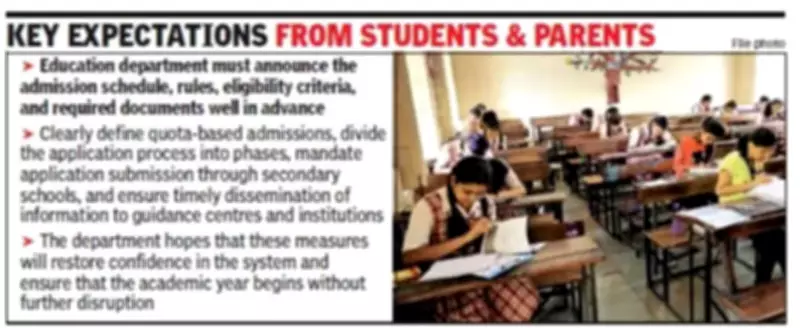
- Announce precise admission timelines, eligibility criteria, necessary documentation, and quota details well in advance.
- Clearly define procedures for quota-based admissions.
- Structure the application process into organized phases.
- Mandate that application submissions be facilitated through secondary schools to streamline verification.
- Ensure prompt dissemination of all critical information to guidance centers and educational institutions.
Focus on Rural Accessibility and Systemic Improvements
Education experts have strongly recommended limiting the mandatory centralized online admission system to major metropolitan areas. This recommendation stems from the significant financial and logistical hardships encountered by students in rural regions during the previous process.
Mukund Andhalakar, General Secretary of the Junior College Teachers' Association, highlighted critical flaws from last year. "The process was severely hampered by the absence of a pre-declared schedule and incessant changes to eligibility conditions," Andhalakar noted. He advocated for a modified approach for rural students, suggesting that admissions be conducted at the individual college level using an online system specifically tailored to local needs and infrastructure.
Empowering Local Administration and Resolving Grievances
Stakeholders have also pointed to systemic inefficiencies, particularly the limited authority granted to local administrative staff to resolve student grievances. This bottleneck forced institutions to depend heavily on the Pune regional office for addressing even minor technical and administrative issues, compounding delays.
A junior college teacher revealed the human cost of these failures, stating, "Rural students, in particular, reportedly faced immense financial and mental stress due to repeated travel for admissions, persistent technical hurdles, and a severe lack of adequate guidance." Alarmingly, admissions from the 2025 cycle were still ongoing as the 2026 academic year approached, creating a chaotic overlap.
Restoring Confidence in the System
The education department is confident that these comprehensive corrective measures will restore public trust in the FYJC admission system. The primary objective is to ensure the academic year commences promptly and proceeds without the disruptions that characterized the previous cycle, thereby safeguarding the educational continuity and well-being of all students across Pune and Maharashtra.