In a significant move to bolster child nutrition and educational support, government schools in Bengaluru have officially begun providing midday meals to their youngest learners. From December 1, pre-primary sections across thousands of state-run institutions are now formally included in the flagship feeding program, ensuring toddlers receive the same nutritional benefits as their older peers.
Official Rollout After Years of Informal Arrangements
The decision marks the formal integration of these sections into the scheme, even though pre-primary classes were introduced in government schools back in 2019. Until now, teachers often managed by sharing food allotted for other grades with the younger children. A teacher from a Karnataka Public School in East Bengaluru highlighted the change, stating that while they previously adjusted meals by sharing, it was unfair to only provide lunch for older children. The official commencement from the start of December has rectified this disparity.
The extension of the meal scheme to these foundational classes was first reported as a plan in March this year. The department of school education and literacy has now directed school headmasters to log the details of pre-primary students in the official Student Achievement Tracking System. The meals will be available in all schools permitted by the department, including those scheduled to commence operations from the 2026-27 academic year.

Funding, Cost, and Nutritional Menu
The financial structure for this expansion is clearly defined. The central government will contribute Rs 4.1 per child per day, while the state's share is set at Rs 2.7 per child per day to cover food preparation costs. This brings the total fixed cost to Rs 6.8 for each pre-primary student daily.
To enhance the nutritional value of the meals, a collaborative effort is in place. The Azim Premji Foundation will assist the department by supplying eggs for four days a week. The department itself will provide eggs for the remaining two days. With this arrangement, young students will receive a comprehensive daily menu that includes:
- Milk
- Ragi malt
- A full lunch
- Eggs or bananas
Scale of Implementation and Ground-Level Coordination
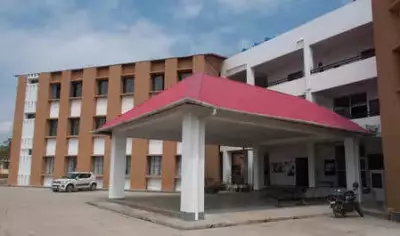
The scale of this initiative is substantial. Currently, 4,056 government schools in the region have pre-primary sections. This number includes 1,699 government-funded magnet schools. The logistics for the rollout have been set in motion, with officials holding meetings with the non-governmental organisations responsible for providing the midday meals in Bengaluru. A teacher from another Karnataka Public School confirmed that these NGOs were formally informed about the inclusion of the pre-primary classes into their delivery schedule.
This policy shift is more than just an administrative update; it represents a crucial investment in early childhood development. By guaranteeing nutritious food at school, the government aims to improve attendance, concentration, and overall health among its youngest students, laying a stronger foundation for their future learning.