Kolkata Braces for Higher Secondary Examinations with Extensive Traffic Regulations
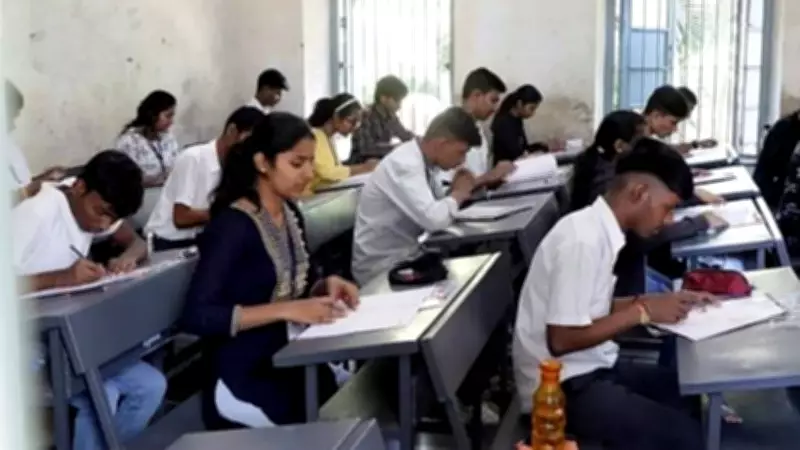
Kolkata is preparing for the commencement of the Higher Secondary Examinations, with the Kolkata Police implementing significant traffic curbs to ensure a smooth and secure environment for students. The examinations are scheduled to begin on Thursday, February 12, 2026, and will continue until February 27, impacting thousands of candidates across the city.
Examination Centers and Student Participation
There are 134 designated examination centers in Kolkata, where a total of 32,256 candidates will be appearing for the Higher Secondary Examinations. On a statewide level, West Bengal is witnessing a substantial turnout, with approximately 7.10 lakh students registered for the board exams. Notably, the participation of girls exceeds that of boys, with 3,95,079 female candidates compared to 3,15,732 male candidates, as highlighted by Chiranjib Bhattacharya, president of the West Bengal Council of Higher Secondary Education (WBCHSE).
Traffic Restrictions and Regulations
In a move to minimize disruptions during the examination period, the Kolkata Police has issued a notification regulating the movement of vehicles and pedestrians. These restrictions will be enforced on all examination days, specifically February 12, 13, 17, 18, 19, 20, 21, 23, 24, 25, 26, and 27. The order applies to all classes of vehicles and pedestrian traffic, overriding any other existing regulations.
Key traffic measures include:
- Goods vehicles are permitted to operate within city limits only from 6 am to noon on exam dates.
- Emergency vehicles, such as those transporting LPG cylinders, petroleum, oil, lubricants, oxygen, milk, medicine, vegetables, fruits, fish, and CNG, along with port-bound vehicles, are allowed to ply until 8 am on examination days.
- Traffic police may divert, regulate, or restrict vehicular movement in and around examination centers as deemed necessary to maintain order and safety.
These regulations are in addition to normal traffic restrictions and will be strictly enforced to facilitate a conducive examination atmosphere.
Enhanced Security and Surveillance Measures
To uphold the integrity of the examinations, the WBCHSE has mandated stringent security protocols. CCTV surveillance is compulsory at all examination centers, with cameras installed at entry gates and inside confidential rooms used by venue supervisors. This initiative aims to safeguard the confidentiality of question papers and ensure the sanctity of the exam process.
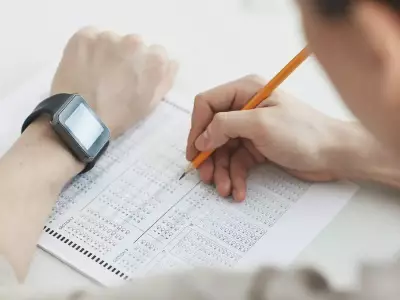
CCTV footage must be securely stored by venue supervisors for one month post-examination, subject to inspection by authorities if required. Furthermore, the use of mobile phones or any electronic gadgets is strictly prohibited within examination halls. Any candidate found in possession of such devices will face severe consequences, including the cancellation of their enrollment and entire examination results for the year.
Examination Timings and Logistics
The Higher Secondary Examinations involve multiple streams running concurrently, necessitating careful scheduling:
- Semester IV: Examinations are scheduled from 10 am to noon. For vocational subjects, music, and visual arts, the timing is from 10 am to 11:15 am.
- Semester III Supplementary: Exams will be conducted from 1 pm to 2:15 pm, with vocational subjects, music, and visual arts from 1 pm to 1:45 pm.
- Old System: Examinations are set from 10 am to 1:15 pm, with students expected to arrive at centers by 9 am.
Across the state, there are 2,103 examination venues, comprising 822 main centers and 104 identified as sensitive. To manage the distribution of question papers for the different systems, distinct colored cloth bags are used: white for Semester IV, yellow for Semester III supplementary, and blue for the old system, ensuring organized and secure handling.
As Kolkata gears up for this critical academic period, these comprehensive measures reflect a concerted effort to support students and maintain the credibility of the Higher Secondary Examinations.