Kannada-Medium Schools Express Concerns in Border States
Kannada-medium schools in border states are facing uncertainty and anxiety. This situation arises despite recent clarifications from the Kerala government. The proposed Malayalam Language Bill of 2025 is at the center of this issue.
Details of the Malayalam Language Bill
The bill aims to make Malayalam the compulsory first language. This requirement would apply to all government and aided schools across Kerala. It covers students from Classes 1 to 10. The legislation seeks to strengthen the use of Malayalam in the state's educational system.
Kerala officials have provided some clarifications about the bill. They emphasize its focus on promoting the Malayalam language within Kerala. However, these assurances have not fully alleviated concerns in neighboring areas.

Impact on Kannada Schools in Border Regions
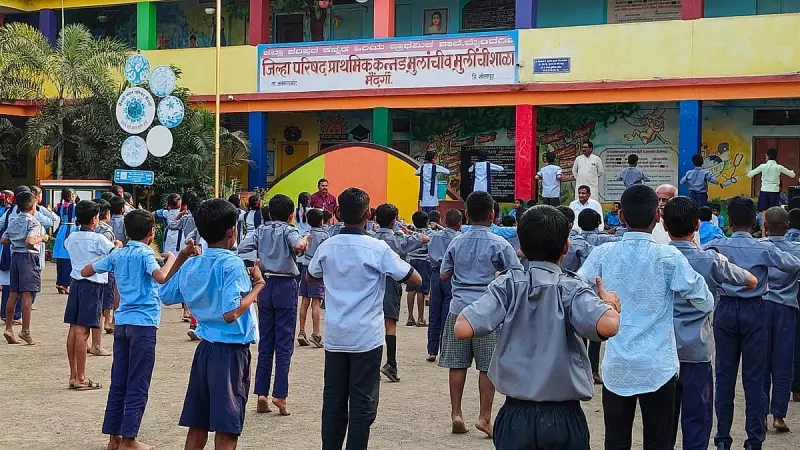
Schools teaching in Kannada near the Kerala border feel particularly vulnerable. Administrators and teachers worry about potential indirect effects. The bill might influence educational policies in border districts. It could also affect student enrollment and language preferences in these regions.
Many Kannada-medium schools operate in areas with cultural and linguistic ties to Kerala. They serve communities that value both Kannada and Malayalam. The proposed law creates a tense environment for these institutions. School authorities report growing unease among parents and staff.
Broader Implications for Language Education
This development highlights ongoing debates about language policy in India. States often prioritize their regional languages in education. Such moves can create challenges for minority language schools in border zones. The situation underscores the delicate balance between promoting state languages and supporting linguistic diversity.
Education experts note that language bills can have ripple effects beyond state borders. They call for careful consideration of cross-border educational impacts. Collaborative approaches between neighboring states might help address these concerns.
The future of Kannada-medium schools in this context remains uncertain. Stakeholders await further details and potential adjustments to the bill. They hope for solutions that respect both Malayalam promotion and Kannada education needs.