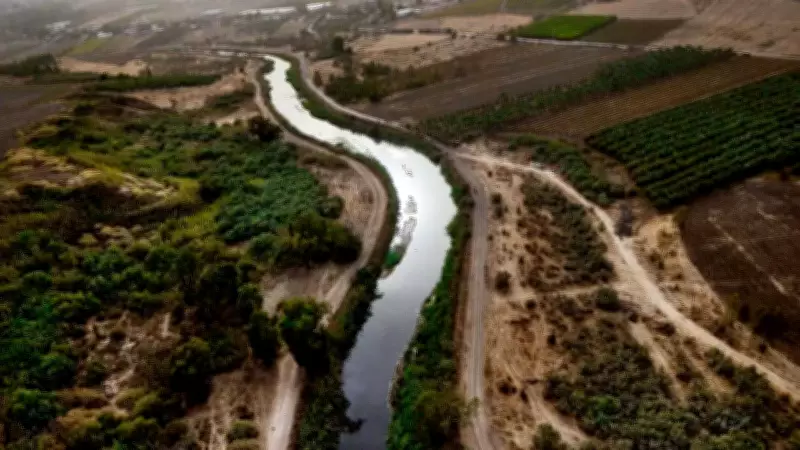
The Jordan River's Silent Crisis: From Life-Giving Waters to Ecological Warning
Rivers are universally celebrated as vibrant ecosystems, brimming with diverse fish species, lush flora, and abundant fauna, providing essential freshwater that sustains countless forms of life. Yet, across the globe, certain rivers tell a starkly different tale—one of ecological decline and environmental neglect. Among these is the historically significant Jordan River, which has earned a troubling reputation as a river with alarmingly few fish, or in some stretches, virtually none at all.
A River of Cultural Significance Facing Ecological Collapse
The description of the Jordan River as devoid of fish might sound exaggerated, but it powerfully underscores a profound environmental crisis. Once a thriving freshwater artery, the Jordan River has suffered extensive ecological damage over decades. While not completely barren—it still supports some limited aquatic life—fish populations have plummeted dramatically in numerous sections, particularly in its lower reaches.
Where the Jordan River flows and why fish are vanishing: This iconic river traverses a crucial geographical region, winding through Israel, Jordan, and the West Bank. Originating at the foothills of Mount Hermon, it journeys southward until it empties into the Dead Sea. For centuries, the Jordan River has been a vital water source in an arid desert landscape, holding immense cultural, religious, and historical importance. However, its natural state has been radically altered in recent times.

Asserting that the Jordan River has no fish whatsoever is not entirely accurate, but it highlights a severe reduction in aquatic inhabitants. The primary culprits behind this decline are twofold: water diversion and pollution. Vast quantities of river water are siphoned off for irrigation and domestic use by surrounding communities, drastically reducing the natural flow to a mere trickle in places.
The Twin Threats: Water Diversion and Pollution
Compounding the problem, the river has been subjected to severe pollution over the years, including raw sewage and industrial waste discharges. This contamination depletes oxygen levels in the water, creating hypoxic conditions that make it nearly impossible for most fish to survive. In some polluted stretches, only a handful of hardy species can endure, leading to a stark loss of biodiversity.
Broader Ecosystem Impacts and Consequences
The sharp decline in fish populations within the Jordan River triggers a cascade of negative effects throughout the ecosystem. Fish play a critical role in the aquatic food chain; their scarcity disrupts the diets of birds and other wildlife that depend on them. Additionally, reduced water flow increases the concentration of pollutants, further degrading water quality and harming remaining life forms.
The shrinkage of associated wetlands has led to a significant loss of regional biodiversity. Moreover, the diminished flow of the Jordan River directly contributes to the alarming reduction in the size of the Dead Sea, as the river is its primary freshwater source. This interconnected deterioration illustrates how localized environmental damage can have far-reaching consequences.
Restoration Efforts and Glimmers of Hope
Recognizing the Jordan River's immense significance, various initiatives have been launched to revive its health. Governments, environmental organizations, and international bodies are collaborating to address the river's challenges. Key efforts include implementing advanced wastewater treatment systems, reducing pollution inputs, and promoting sustainable water management practices.
Discussions are ongoing about strategically increasing water levels in certain river sections to restore ecological balance. While these restoration projects are still in early stages, they represent crucial steps toward healing this damaged ecosystem.
The Reality Behind the "River with No Fish" Label
Labeling the Jordan River as completely fishless is an oversimplification, yet it effectively communicates the severity of its environmental degradation. This situation is not unique; numerous rivers worldwide face similar threats from overexploitation and pollution, making the Jordan River a poignant case study in global water resource crises.

Why Protecting the Jordan River Matters Globally
The plight of the Jordan River serves as a powerful reminder of the fragility of natural ecosystems. When water resources are overused or contaminated, the impacts can be long-lasting and difficult to reverse. Restoring and conserving the Jordan River is not only vital for the ecosystem itself but also for the human communities that depend on it.
The journey to revive life in the Jordan River underscores the urgent need for sustainable living practices and responsible resource management. Its story demonstrates that even extensive environmental damage can be mitigated through awareness, concerted action, and international cooperation, offering hope for recovery and resilience in ecosystems worldwide.