Karnataka Education Controversy: Horatti Demands Withdrawal of SSLC Third Language Grading
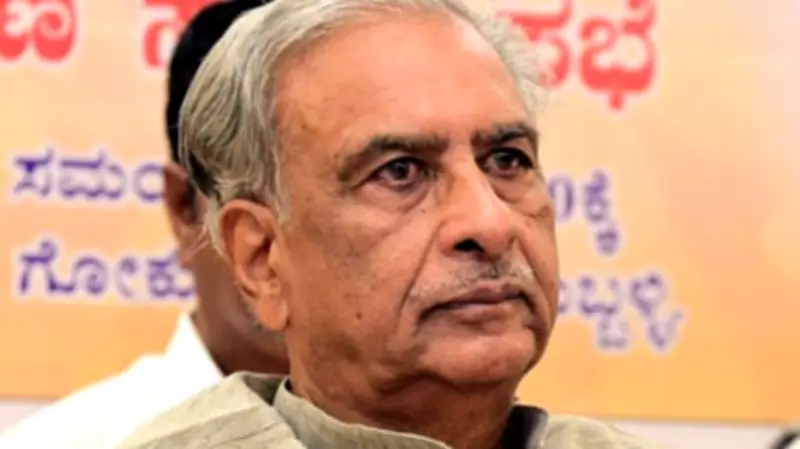
In a significant development ahead of the Secondary School Leaving Certificate (SSLC) examinations, senior politician and education advocate Basavaraj Horatti has strongly urged the Karnataka state government to immediately withdraw its decision to introduce a grading system for the third language paper. The move, announced just as students are preparing for their crucial board exams, has sparked widespread concern and debate across the state's educational landscape.
Unfair Timing and Impact on Diverse Languages
Horatti emphasized that the timing of this policy change is particularly problematic, coming when the SSLC examinations are imminently approaching. He argued that such a last-minute alteration creates unnecessary stress and confusion for students who have been preparing under the existing assessment framework. "The decision to give grades for this subject, that too when the examination is so near, makes no sense," Horatti stated unequivocally.
Furthermore, he highlighted that the third language subject encompasses a rich diversity of languages, including Hindi, Sanskrit, Urdu, Marathi, Tamil, and several others. This diversity, according to Horatti, makes the blanket application of a grading system inappropriate and potentially disadvantageous to students studying different linguistic options.

Broader Implications for Language Education
The controversy raises important questions about the state's approach to multilingual education and assessment. Horatti's intervention underscores the need for more thoughtful and inclusive policy-making that considers the unique characteristics of each language and the students who study them. The SSLC exams are a critical milestone for thousands of students in Karnataka, and changes to assessment methods can have far-reaching consequences on their academic futures and psychological well-being.
As the debate continues, stakeholders including educators, parents, and students are closely watching the government's response. The outcome could set a precedent for how language education is valued and evaluated in the state's curriculum, impacting not just current examinees but future generations of learners as well.