Education experts in India are calling for a decisive shift away from blanket school closures and towards a critical, evidence-based review of the National Education Policy (NEP) 2020. This comes amid recurring disruptions to the academic calendar in regions like Delhi-NCR and growing concerns over implementation challenges in higher education.
Recurring Disruptions and Widening Learning Gaps
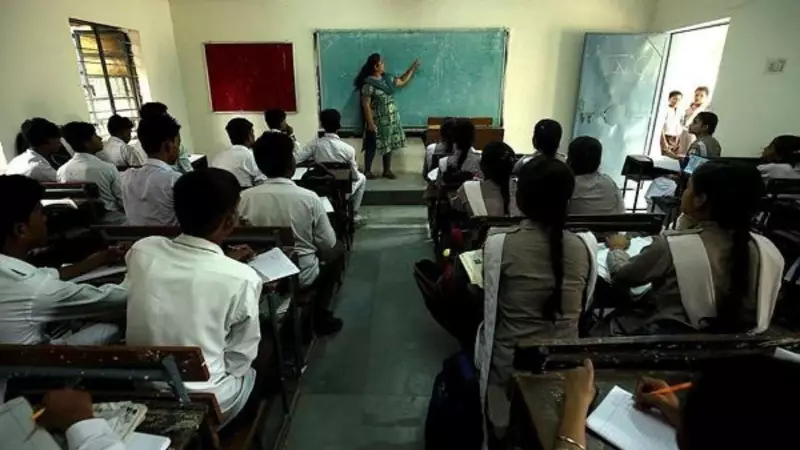
Each year, schools in the Delhi-NCR region face a persistent cycle of shutdowns or shifts to online and hybrid modes. These disruptions are triggered by extreme weather, severe winter pollution, and even intense rainfall, which steadily chip away at functional teaching days. The primary victims of this instability are the students, particularly young learners and those from economically disadvantaged backgrounds. Recurring school closures are exacerbating pre-existing learning gaps, creating a significant hurdle for educational recovery.
The year 2025 also highlighted tensions in the private education sector. Parents of students in private schools took to the streets to protest arbitrary fee hikes. In response, the Delhi government passed the Delhi School Education (Transparency in Fixation and Regulation of Fees) Bill. This legislation aims to curb unchecked fee increases, give parents a formal voice in the fee-setting process, and impose strict penalties for violations. However, the real-world effectiveness of this Act remains to be seen as it moves into the implementation phase.

Academic Overload in Higher Education Under NEP
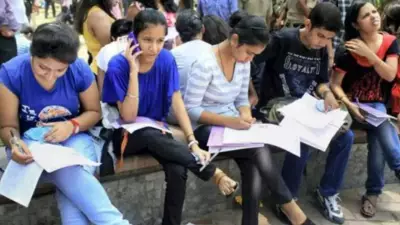
In the realm of higher education, the rollout of the National Education Policy, especially its flagship four-year undergraduate programme, has introduced a new set of challenges. The policy has led to a proliferation of courses, credits, examinations, and internal assessments. Both students and teachers across institutions report a state of academic overload, caught in relentless cycles of evaluation that leave scant room for deep, sustained learning or meaningful specialisation.
The Path Forward: Infrastructure Over Shutdowns and Policy Review
Experts are advocating for pragmatic, long-term solutions at both school and university levels. Latika Gupta, a faculty member in the Department of Education at Delhi University, emphasises the need for resilience. "We need to think seriously about how education can remain exciting and meaningful despite disruptions," she stated. Instead of resorting to wholesale shutdowns, she proposes that schools should be supported and incentivised to upgrade their infrastructure, including the installation of air purifiers, to maintain in-person learning during periods of high pollution.
On the issue of private school fees, Gupta cautions that regulation is only one piece of the puzzle. "Fee regulation alone will not fix private schooling. We need wider conversations involving parents, schools, legal experts and civil society to understand what private education has become," she added.
Regarding the NEP, there is a strong consensus among academics that a thorough assessment is overdue. "There has to be a serious, evidence-based review of NEP. You cannot keep reforming higher education without asking students and teachers how it is actually playing out in classrooms," Gupta asserted. She stressed that higher education requires fewer courses and opportunities for deeper engagement, warning that "Specialisation cannot be replaced by constant assessment and flexibility without intellectual cost."
The call is clear: move beyond reactive measures like shutdowns, implement regulatory laws effectively, and ground the ambitious NEP reforms in the lived realities of India's classrooms and campuses.