A high-level government committee is working on transformative reforms that could fundamentally change how Indian students prepare for competitive examinations. The panel, focused on reducing dependency on coaching centres, is considering several radical measures including conducting entrance tests as early as Class XI and strictly limiting daily coaching hours.
Major Proposals to Reshape Exam Preparation
The 11-member committee discussed these significant changes during their meeting on November 15, where they analyzed the systemic pressures that drive students toward extensive after-school coaching. The panel reviewed multiple approaches to ease the academic burden on students while maintaining educational standards.
One of the most groundbreaking proposals under consideration involves conducting national entrance examinations including JEE, NEET, and CUET during Class XI rather than waiting until Class XII completion. Committee members argued that this earlier examination window could distribute academic pressure more evenly and reduce the high-stakes environment that typically builds up during the final school year.

Strict Limits on Coaching Hours and Hybrid Assessment
Another crucial recommendation discussed was imposing a strict cap on daily coaching hours, limiting them to just two to three hours per day. This represents a dramatic shift from the current reality where many students spend five to six hours daily at private coaching centres after regular school hours.
Committee members emphasized that such restrictions could help restore academic balance, reduce student fatigue, and reaffirm the importance of school-based learning. The panel also examined a hybrid assessment model for entrance examinations that would give weightage to both board examination marks and aptitude-based tests.
Addressing Systemic Educational Challenges
The deliberations extended beyond immediate reforms to address broader systemic issues plaguing India's education landscape. Members identified several critical challenges including syllabus gaps across different school boards, the proliferation of dummy schools, weak formative assessments, uneven teacher competency, and insufficient career counseling facilities in schools.
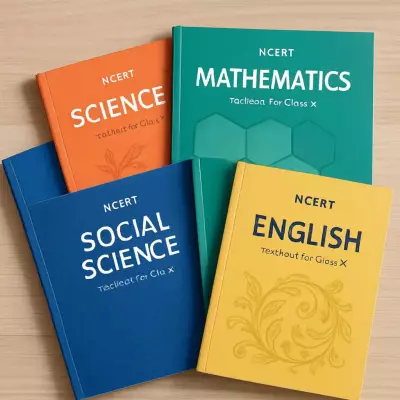
As part of concrete action points, the committee assigned NCERT the responsibility of coordinating with CBSE and state boards to compare Class XI and XII syllabi with competitive examination requirements. This alignment aims to reduce disparities between school curricula and entrance exam expectations, potentially making specialized coaching less necessary.
The panel also discussed conducting entrance examinations twice a year, potentially in April and November, in alignment with the National Education Policy 2020 recommendations. This biannual examination system could provide students with multiple opportunities and reduce the single-exam pressure that currently dominates the educational landscape.
These proposed reforms represent the most significant potential shift in India's examination preparation ecosystem in recent years, aiming to address the coaching centre dependency that has become deeply embedded in the country's educational culture.