Major Reforms Mark the Start of CBSE and CISCE Board Examinations
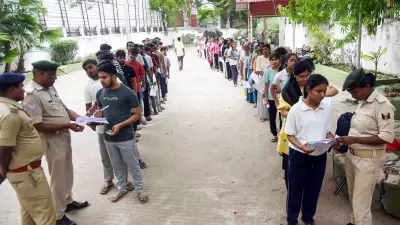
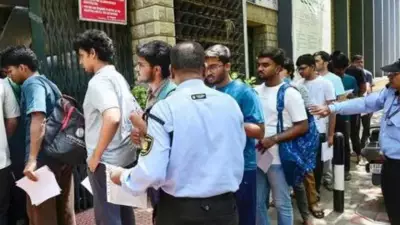
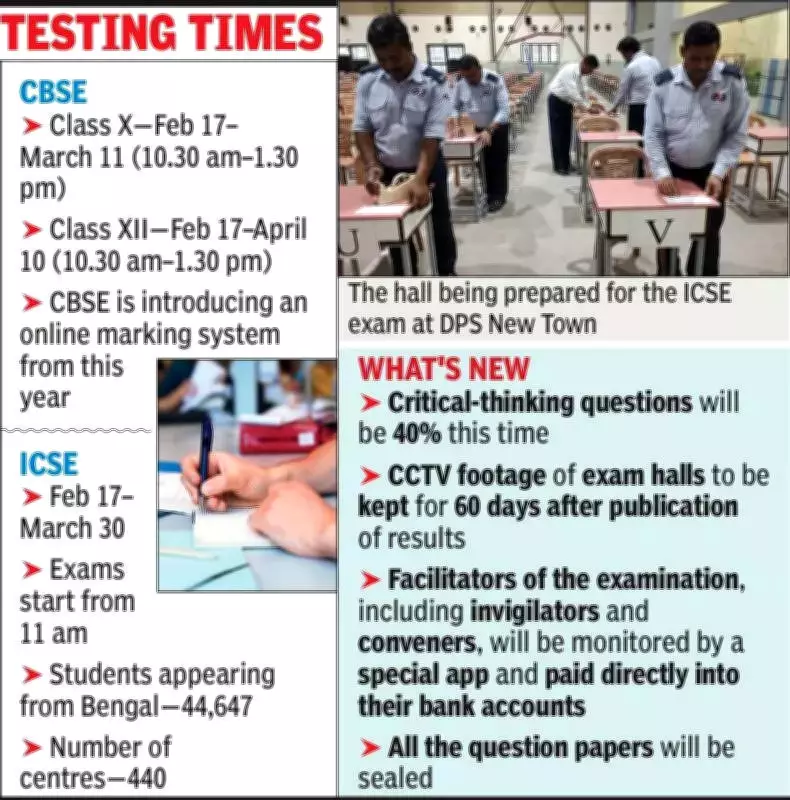
The Central Board of Secondary Education (CBSE) and the Council for the Indian School Certificate Examinations (CISCE) have officially commenced their class 10 and 12 board examinations from Tuesday, introducing a series of significant changes aimed at modernizing the assessment process and enhancing student performance.
Key Changes in Examination Systems
This year, both boards have implemented pivotal reforms. CISCE has increased the emphasis on critical-thinking skills, with such questions now constituting 40% of the ICSE (Class 10) examination papers. This shift is designed to evaluate students' analytical abilities beyond rote memorization.
Meanwhile, CBSE has launched an online checking system for the first time. Under this new protocol, examiners will mark answer sheets digitally after they are uploaded to a central portal from regional centers. This replaces the previous manual method where answer sheets were physically posted to regional centers for distribution, streamlining the evaluation process and reducing logistical delays.

Enhanced Opportunities and Security Measures
CBSE has also introduced a dual examination format for Class 10 students, providing them with two opportunities to appear for the board exams starting this academic year. In the second phase, students can take tests in a maximum of three papers to improve their scores. However, educators caution against complacency, advising students to treat the first phase with utmost seriousness.
On the security front, CISCE has placed special focus on strengthening exam hall protocols. All conveners and invigilators will be under close monitoring, and exam centers have been instructed to retain CCTV footage for 60 days after results are published, ensuring transparency and integrity throughout the examination process.
Advice from School Principals and Educators
Principals and teachers from schools affiliated with both boards have offered extensive guidance to help students navigate these changes successfully. Rammohan Mission School principal Sujoy Biswas noted that students have become accustomed to the altered patterns through repeated practice, while Rishi Aurobindo Memorial Academy School principal Bobby Baxter emphasized the importance of strategic preparation.
"We advised students to plan their study time wisely, focus on high-weightage topics, practice answer writing, revise regularly, and ensure adequate sleep," Baxter stated. "Additionally, they should eat light meals, stay hydrated, remain calm, and manage time carefully during exams. Confidence and consistency are key to achieving success."
Abhinav Bharati School principal Srabani Samanta highlighted practical concerns, urging students to leave home early to avoid traffic congestion, especially since multiple board exams are starting on the same day. "We have told our students to stay calm and avoid excessive stress," she added.
The Newtown School principal Satabdi Bhattacharjee reassured students and parents, noting that students are well-aware of the board's changes. "We advised them not to take undue stress and to treat this exam similarly to their annual tests, but with careful attention while writing answers," she explained.
DPS Howrah principal Sunita Arora framed the exams as a platform for students to showcase their learning. "I urge all students to arrive at the examination center early—preferably by 9 am—to begin the day calmly and without haste," she said, encouraging sincerity and confidence.
Confidence in Student Preparedness
Principals of CISCE-affiliated schools expressed confidence in their students' readiness, believing they have had sufficient time to prepare for the revised examination patterns. The collective advice from educators underscores a balanced approach: leveraging the new opportunities while maintaining focus and composure to excel in these crucial assessments.