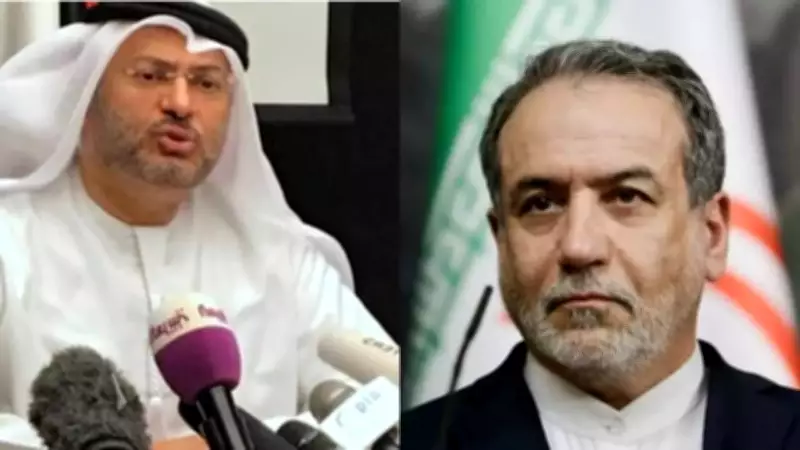
UAE and Iran Engage in Heated Diplomatic Exchange Over Aggression Allegations
A sharp diplomatic confrontation has erupted between the United Arab Emirates and Iran following accusations from Iranian Foreign Minister Abbas Araghchi. The Iranian official claimed the UAE was engaging in hostile actions and "aggression" against Tehran, a charge that has been met with swift and firm rejection from senior Emirati officials.
UAE Firmly Rejects Iranian Claims as Misleading
Anwar Gargash, diplomatic adviser to the UAE president, publicly dismissed the Iranian allegations, describing them as misleading and disconnected from reality. Gargash emphasized that the UAE's actions have been strictly defensive in nature, responding to genuine security threats rather than initiating aggression.
The Emirati official argued that Iran's accusations ignore the numerous missile and drone attacks that Gulf states have endured during the ongoing regional conflict. He noted that the UAE has consistently prioritized restraint while maintaining the fundamental right to protect its territory and citizens from external threats.

Broader Geopolitical Context of the Dispute
This diplomatic clash unfolds against the backdrop of escalating tensions in the Middle East involving Iran, Israel, and the United States. Recent military confrontations have triggered retaliatory strikes across the region, forcing Gulf states into heightened security postures.
The UAE has reported successfully intercepting multiple missiles and drones targeting its territory, while civilian infrastructure sites have suffered attacks during the conflict. These developments have resulted in casualties and disrupted critical sectors including travel, energy infrastructure, and business operations throughout the Gulf region.
UAE's Defensive Posture and Diplomatic Balancing Act
In his detailed response to Tehran's accusations, Gargash clarified that the UAE's policies remain firmly grounded in defensive measures rather than escalation. While asserting the country's "right to defend itself" against attacks, he reiterated the UAE's continued commitment to restraint and diplomatic solutions.
This position reflects the UAE's long-standing foreign policy strategy that balances robust security responses with persistent calls for regional de-escalation. Emirati officials maintain that defending critical infrastructure and intercepting incoming threats constitutes necessary protection of civilians and national assets, not aggression.
Iran's Counterclaims and Regional Information Battle
Iran has maintained its position that Gulf states, including the UAE, have indirectly supported military actions against Tehran by facilitating Western allied operations in the region. Iranian authorities have specifically alleged that certain facilities in Gulf countries were used to launch strikes on Iranian targets—claims that Emirati officials have categorically denied.
This dispute represents a broader information war accompanying the military conflict, with both sides attempting to shape international perceptions regarding responsibility for escalating violence. UAE authorities have warned against sharing unverified content related to the crisis, noting that misleading narratives could fuel panic or compromise national security.
Regional Impact and Global Consequences
The tensions between Iran and Gulf states have already produced significant ripple effects across multiple sectors:
- Airspace closures and security concerns have forced airlines to cancel or reroute flights across the Middle East
- Fears of conflict near the strategically vital Strait of Hormuz have triggered volatility in global oil prices
- Several Gulf countries have enhanced defense measures after intercepting missile and drone attacks
- The Gulf region's crucial position in global energy markets means any disruption could have substantial consequences for the world economy
UAE's Call for De-escalation and Diplomatic Solutions
Despite the heated rhetoric, the UAE has consistently urged all parties involved in the conflict to pursue diplomatic resolutions. At international forums, Emirati representatives have called for immediate reduction in hostilities and a return to negotiation tables.

They warn that continued escalation could destabilize the entire Gulf region and threaten global energy markets, particularly through the Strait of Hormuz where approximately one-fifth of the world's oil supply passes daily.
Strategic Balancing in a Volatile Region
The UAE's response highlights the delicate balancing act it faces in the current geopolitical environment. The country maintains strong strategic partnerships with Western allies including the United States while historically preserving diplomatic channels with regional powers such as Iran.
This dual approach—combining security cooperation with diplomatic outreach—has been a cornerstone of Emirati foreign policy for years. By rejecting Iran's accusations while simultaneously calling for de-escalation, the UAE continues this strategic balancing act amid unprecedented regional volatility.
Looking Forward: Diplomacy Versus Confrontation
With tensions remaining elevated, analysts warn that diplomatic confrontations between Iran and Gulf states could intensify if the broader regional conflict persists. However, many experts believe Gulf countries including the UAE will continue advocating for diplomatic solutions rather than direct military confrontation.
The diplomatic dispute between the UAE and Iran underscores the fragile security environment in the Gulf today. While accusations and counter-accusations dominate international headlines, regional leaders continue emphasizing the critical importance of restraint, dialogue, and international cooperation to prevent further escalation.