SPPU International Food Festival Unites Global Cultures Through Cuisine
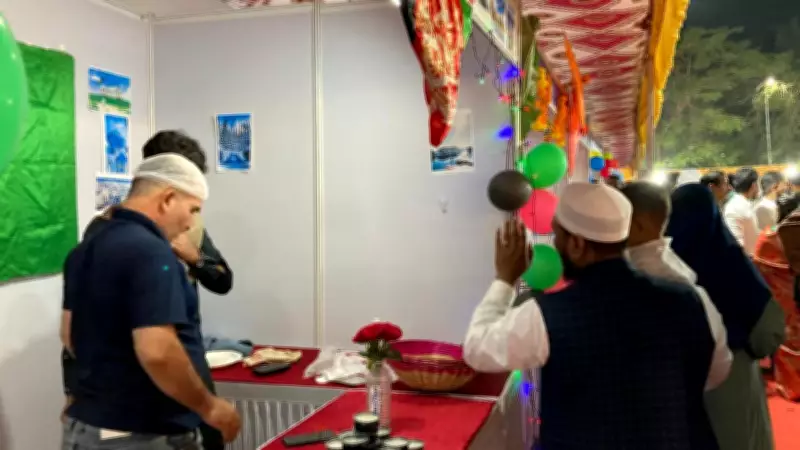
The International Centre at Savitribai Phule Pune University (SPPU) transformed into a vibrant global marketplace on Tuesday as it hosted the International Food Festival, a key component of the university's ongoing International Youth Festival 2026. This culinary celebration brought together students from over 25 countries who proudly showcased traditional dishes from their homelands, all united under the powerful theme "Say No to Drugs And Yes to Life."
Theme Reflects Contemporary Youth Concerns
According to Kavin, who has been anchoring the festival for several consecutive years, the annual theme selection process deliberately responds to current societal issues. "Each year, the theme reflects what is happening around us. This year, we specifically focused on issues directly affecting today's youth," he explained. This anti-drug message resonated throughout the event, even finding expression in a specially composed theme song performed during the festival.
Global Participation and Culinary Diversity
The festival's culinary journey began at the Afghanistan stall and progressed through an impressive array of nations including:

- Bangladesh
- Mongolia
- Eritrea
- Chad
- Russia
- Fiji
- Nepal
- Sri Lanka
- Djibouti
- Egypt
- South Sudan
- Iran
- Mozambique
- Vietnam
Many of these stalls attracted substantial crowds, with students preparing dishes in university and college hostels before sharing recipes, ingredients, and cooking techniques with curious visitors while actively seeking feedback on their culinary creations.
Student Collaboration and Cultural Exchange
Representing Nepal, Pratham Patel, a second-year BBA IB student, along with his friends, served authentic Nepalese specialties including choila, jhol momo, and chatpate—a popular street snack combining boiled potatoes, puffed rice, and Wai Wai noodles. Patel took the opportunity to clarify a common misconception, noting that "momo is often, and incorrectly, called 'momos' in plural form."
The festival exemplified remarkable cross-cultural collaboration as students from different departments assisted their peers in stall setup and decoration. Nafosat from Uzbekistan helped her friend manage the Mongolian stall, while psychology students from SPPU assisted a classmate in decorating the Russian stall, creatively stringing together snowflake decorations as cooking preparations concluded.
Food as Cultural Language and Diplomatic Tool
Wali Rahman Rahmani, representing Afghanistan at the event, shared profound insights about food's cultural significance. "Food is far more than nourishment; it is a cultural language shaped by geography, history, and collective memory," he reflected. "At international food festivals, we witness how mountains, deserts, rivers, and climate determine what people grow, cook, and cherish. Each dish tells a story of survival, adaptation, celebration, and belief."
Rahmani further elaborated on food's unifying power, noting that "food is one of humanity's most powerful tools for connection. Many conflicts may begin around resources often linked to food, but peace, dialogue, and reconciliation almost always return to the shared table. When people eat together, barriers soften, conversations begin, and humanity is rediscovered." For Afghan culture specifically, he emphasized that "food holds an even deeper meaning, inseparable from hospitality—one of the strongest pillars of our society."
Broader Perspectives and Festival Atmosphere
Ahmed, a student at Symbiosis Institute of Health Sciences who had attended similar events previously, appreciated the unique gathering, stating, "If not here, it is very difficult to find so many cultures and cuisines in one place."

Paritosh, invited by a friend, discovered surprising culinary similarities across diverse food cultures, while Aboubakr Rigi from Iran, a PhD student in English, highlighted the festival's potential diplomatic significance. Citing the example of former Afghan president Hamid Karzai who studied in India, Rigi observed, "These festive organizations are good to have future relationships. Who knows—one of these students goes ahead to lead their countries."
Cultural Performances and Successful Conclusion
Beyond the culinary offerings, the festival featured vibrant cultural performances including renditions of popular songs like Bella Ciao. The event concluded with enthusiastic music and dance, with most stalls completely selling out by day's end. As crowds gradually dispersed, overflowing dustbins across the venue testified to the festival's tremendous popularity and success in bringing together diverse communities through the universal language of food.