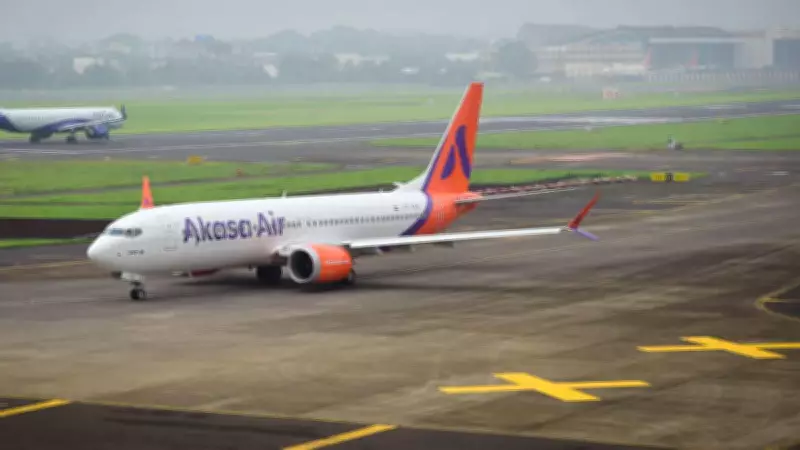
Akasa Air Implements Surcharge, Joining Major Airlines in Fare Adjustments
In a significant development for the Indian aviation sector, Akasa Air has officially announced the imposition of a surcharge on its flights, with amounts reaching up to Rs 1,300. This move aligns the airline with industry leaders IndiGo and Air India, both of which have recently implemented similar fare adjustments. The decision reflects a broader trend among carriers as they navigate escalating operational expenses and dynamic market conditions.
Details of the Surcharge Implementation
The surcharge, which is set to be levied on flights, marks a strategic shift in pricing strategies within the domestic aviation market. Akasa Air's entry into this pricing model underscores its growing integration into the competitive landscape, following the footsteps of established players. The surcharge is expected to apply across various routes, potentially impacting passenger costs significantly, especially for frequent flyers and budget-conscious travelers.
Operational factors driving this change include rising fuel prices, increased maintenance costs, and inflationary pressures on other inputs. Airlines are increasingly looking to pass on these additional expenses to consumers to maintain profitability and operational sustainability. The move by Akasa Air, a relatively new entrant in the industry, highlights the pervasive nature of these challenges across all market segments.

Industry-Wide Implications and Passenger Impact
With IndiGo and Air India already having surcharges in place, Akasa Air's adoption creates a more uniform pricing environment, which could lead to reduced fare competition in the short term. Passengers may face higher overall ticket prices, as the surcharge adds to base fares, potentially affecting travel demand, particularly for leisure and non-essential trips.
Experts suggest that this trend might prompt other airlines to consider similar measures, further consolidating fare structures across the sector. The cumulative effect could reshape consumer behavior, with travelers possibly opting for alternative modes of transport or delaying plans in response to increased costs.
- Akasa Air's surcharge ranges up to Rs 1,300 per flight.
- IndiGo and Air India have previously implemented similar surcharges.
- The move is driven by rising operational costs, including fuel and maintenance.
- Passengers may experience higher overall airfare expenses.
- This could influence travel demand and market dynamics in Indian aviation.
Future Outlook and Strategic Considerations
Looking ahead, the aviation industry in India is poised for further adjustments as airlines balance cost pressures with competitive pricing. Akasa Air's decision to join its peers in levying surcharges signals a maturation phase, where newer carriers adopt established practices to ensure financial stability. This development may also spur regulatory scrutiny or consumer advocacy efforts, as stakeholders assess the fairness and transparency of such pricing mechanisms.
In conclusion, Akasa Air's alignment with IndiGo and Air India in imposing flight surcharges represents a pivotal moment in the evolving narrative of Indian aviation. As airlines continue to adapt to economic realities, passengers and industry observers alike will closely monitor how these changes unfold in the coming months.