Saudi Arabia Pioneers Educational Reform with Gaming Curriculum Integration
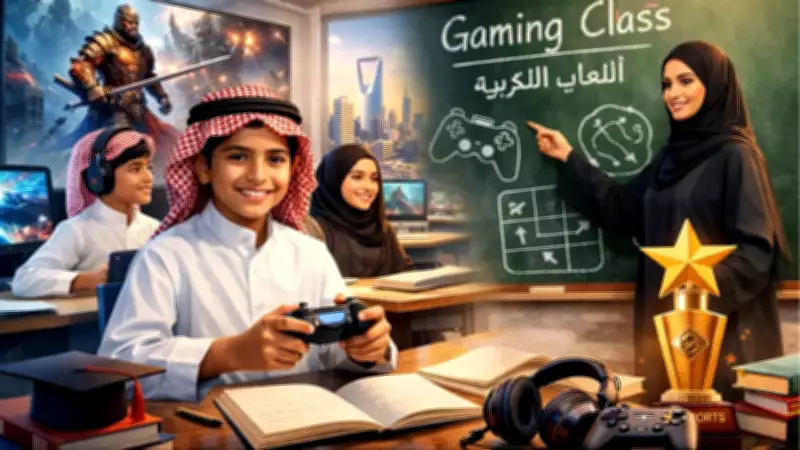
In a groundbreaking development for global education, Saudi Arabia's Ministry of Education has officially sanctioned the incorporation of electronic gaming into school curricula across all educational levels. This transformative initiative represents a strategic fusion of traditional academic frameworks with 21st-century digital competencies, creativity cultivation, and alignment with the rapidly expanding global gaming sector. The decision underscores a significant paradigm shift toward recognizing video games as legitimate pedagogical tools and viable career pathways for future generations.
Strategic Partnerships Formalize Gaming Education Framework
The curriculum integration follows the execution of three strategic memorandums of understanding between the Ministry of Education, the National Institute for Educational Development, and the Educational Services Development Company with Savvy Games Group. As a state-owned gaming enterprise operating under the Public Investment Fund, Savvy Games Group will collaborate closely with the National Curriculum Center to embed game-related skills and knowledge directly into educational content. These agreements establish a comprehensive framework encompassing curriculum development, national gaming competitions, and specialized training pathways designed to cultivate domestic talent within the gaming ecosystem.
According to coverage from Al-Marsad newspaper, the initiative includes multifaceted components such as educator upskilling programs, educational game creation, and nationwide innovation challenges linked to the gaming industry. This represents one of the most substantial educational policy transformations witnessed in the Middle East in recent years, moving beyond entertainment to emphasize transferable, future-oriented skill development.

Global Educational Context and Skill Development Benefits
International research and educational commentary increasingly highlight how competitive video gaming and structured esports programs in schools can foster essential skills including collaboration, strategic thinking, problem-solving, communication, and leadership. These competencies are precisely what modern employers across technology and creative industries consistently value. For instance, educational institutions in Wales and the United States that have implemented esports suites and gaming programs report measurable improvements in student engagement, teamwork dynamics, and clearer pathways into technology-related careers.
Much like established arts or athletics programs contribute to holistic development, well-designed gaming education can deliver both academic rigor and practical applicability. Saudi Arabia's initiative aligns with global experimentation where video games serve as educational instruments. In Japan, certain schools have successfully integrated gaming into classroom learning to enhance critical thinking and communication abilities, resulting in high student participation rates and positive university progression outcomes among graduates.
Curriculum Components and Economic Diversification Goals
While specific curriculum details continue to emerge, the memorandums outline several foundational elements:
- Concept Integration: Incorporating gaming principles into formal courses to illustrate digital literacy, computer science fundamentals, teamwork, and creative expression.
- National Competitions: Developing structured competitions to identify and nurture talent in game design and esports performance.
- Professional Pathways: Creating training and qualification programs aligned with existing Saudi scholarship and vocational tracks, including the Khadem Al-Haramein Scholarship and Wa'ed initiatives.
The program is expected to establish dedicated gaming laboratories and innovation hubs within technical and vocational institutions, providing hands-on experience and industry project opportunities. Global educational authorities, including contributors to research platforms and the World Economic Forum, have documented how esports and gaming curricula can effectively teach teamwork, leadership, problem-solving, and communication skills when embedded within supportive academic structures.

Saudi officials position this gaming curriculum as integral to broader digital transformation, innovation acceleration, and job creation within future-oriented industries. The Kingdom's gaming sector already demonstrates considerable strength, with millions of active players and billions in annual revenue, indicating substantial economic potential. By formalizing gaming education, authorities aim to prepare students for careers spanning game development, design, esports management, digital media, cybersecurity, and related technology sectors—fields poised for growth alongside Saudi Arabia's comprehensive economic diversification objectives.
Implementation Timeline and Future Implications
The Ministry of Education has entered the rollout phase, collaborating with curriculum developers, industry partners, and training institutions to finalize content, teacher preparation protocols, and necessary infrastructure. Initial emphasis will likely focus on pilot programs, educator upskilling initiatives, and phased integration to ensure the gaming curriculum complements rather than replaces existing subject goals.
Over time, the success of this educational integration could attract significant attention from other nations in the region exploring innovative models that respond to rapidly evolving labor markets and the global rise of digital economies. With electronic gaming now officially part of Saudi school curricula, the Kingdom positions itself at the forefront of a worldwide movement embracing games as tools for learning, creativity enhancement, and future career readiness.
While challenges remain—including balanced screen time management and alignment with core academic standards—this initiative signals a bold reimagining of how education can evolve to reflect the digital aspirations of a new generation of learners, potentially reshaping educational paradigms across the Middle East and beyond.