Canadian Professor Brings Global Vision to Punjab Agricultural University
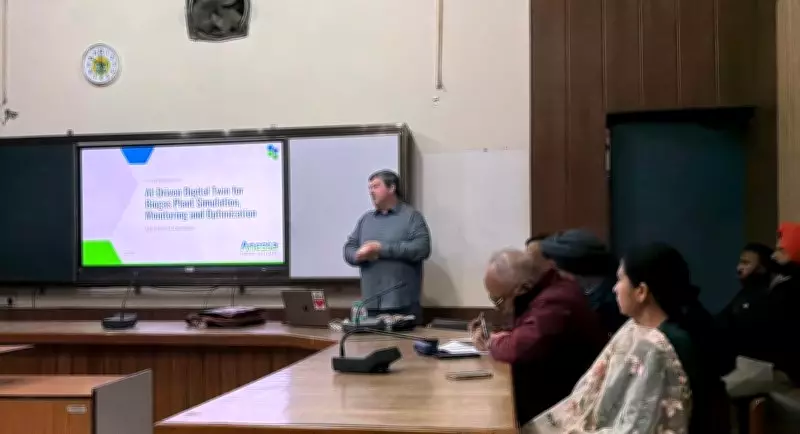
A Canadian professor is spearheading a transformative initiative at Punjab Agricultural University (PAU) in Ludhiana, focusing on the integration of digital technologies into agriculture. This collaboration aims to modernize farming practices by leveraging global expertise and cutting-edge tools.
Enhancing Agricultural Practices with Digital Tools
The professor, whose expertise spans agricultural technology and innovation, is working closely with PAU faculty and students to implement digital solutions. These include precision farming techniques, data analytics for crop management, and the use of sensors and drones to monitor field conditions. The goal is to increase productivity, reduce resource waste, and promote sustainable farming methods in Punjab, a key agricultural state in India.
Global Insights for Local Impact
By bringing a global perspective to PAU, the professor is facilitating knowledge exchange between international and local agricultural communities. This includes workshops, training sessions, and research projects that explore how digital agriculture can address challenges such as climate change, water scarcity, and soil degradation. The initiative emphasizes the importance of adapting global best practices to suit the specific needs of Punjab's farming landscape.

Collaborative Efforts and Future Prospects
The partnership between the Canadian professor and PAU is part of a broader effort to foster innovation in Indian agriculture. It involves collaborations with government agencies, private sector stakeholders, and farmers to ensure the widespread adoption of digital tools. Looking ahead, the project aims to establish PAU as a hub for digital agriculture research, potentially influencing farming practices across India and beyond.
Key benefits of this initiative include:
- Improved crop yields through data-driven decision-making.
- Enhanced sustainability by optimizing water and fertilizer use.
- Empowerment of farmers with access to modern technology and training.
This collaboration underscores the growing trend of international cooperation in agriculture, highlighting how global expertise can drive local advancements in food security and rural development.